Are these your worries?
“Peanuts are tasty, but will the fat make me gain weight?”
“I’m prediabetic—how should I eat peanuts without spiking my blood sugar?”
“I keep hearing about peanut side effects like allergy or aflatoxin. Is it safe?”
Recent clinical research suggests that peanuts can support heart markers, help with satiety and post-meal glucose, and favorably shift the gut microbiome—when you manage quantity and quality. The flip side is simple: watch for allergy, choose products wisely, and store them well. Here’s the easy, step-by-step version you can use today.
Quick Takeaways
- Heart markers: Meta-analyses of clinical trials show triglycerides (TG) tend to decrease with peanut or peanut-butter intake; total-cholesterol/HDL ratios also improve in healthy adults.
- Weight & blood pressure: In a calorie-reduced diet, adding peanuts can deliver similar weight loss to a low-fat diet, with greater reductions in systolic blood pressure in one RCT.
- Glucose & fullness: Adding peanuts or peanut butter to high-GI meals can blunt post-meal blood sugar spikes and improve satiety.
- Gut microbiome: 28 g (1 oz) daily for ~6 weeks was linked to an increase in butyrate-producing bacteria, a positive signal for gut and metabolic health.
- Allergy: Early introduction in infancy (for appropriate candidates, guided by a clinician) can reduce peanut-allergy risk into adolescence. Adults should confirm any prior reactions before eating.
- Diet pattern: Major heart-health groups endorse plant-forward patterns that include nuts and legumes—peanuts fit well here.
1) Peanut Benefits — why “one handful” works
A. Lipids & heart health
Peanuts are rich in monounsaturated fats (oleic acid), plant protein, and vitamin E. Across controlled trials, peanut or peanut-butter intake has been associated with lower TG and improvements in cholesterol ratios—especially in generally healthy adults. In plain language: a measured serving supports better lipid math.
B. Blood sugar & satiety
Spreading 2 tablespoons of peanut butter (~32 g) on a high-GI breakfast can steady your glucose curve. Peanuts slow gastric emptying and digestion a touch, which can mean a milder post-meal rise and longer-lasting fullness.
C. Gut health
In a crossover trial, 28 g/day of peanuts for six weeks increased butyrate-producing microbes (good for the colon and metabolic signaling). No need to overcomplicate it—one small handful, consistently.
D. Weight & blood pressure
In a 6-month study using peanut preloads before meals, participants lost about the same weight as those on a classic low-fat diet, yet showed a larger drop in systolic blood pressure. Translation: you can keep peanuts in a weight-loss plan if you budget calories and keep the serving honest.
2) Peanut Side Effects & Who Should Be Careful
A. Allergy (most important)
- Infants: Under medical guidance, early peanut introduction (around 4–6 months) may lower the risk of peanut allergy into the teen years.
- Teens/Adults: If you’ve ever had mouth itching, hives, wheeze, or any severe reaction after peanuts, stop and see a clinician before re-introducing. Peanut allergy can cause anaphylaxis even with tiny amounts.
B. Aflatoxin (mold toxin)
Peanuts can be contaminated during growth or storage in warm, humid conditions. Food agencies set strict maximum limits and monitor imports. As a shopper, your best defenses are straightforward: reputable brands, sealed packaging, cool storage, and a quick sniff/taste check. If you notice musty, paint-like, or bitter-rancid notes, discard.
C. Sodium & added sugars
Salted or candied peanuts push up sodium and calories. For heart and weight goals, choose unsalted, no-sugar-added options. Simple ingredient lists win.
3) How to Eat Peanuts (real-life playbook)
Serving size guide
- Think “one handful” = 28 g (1 oz) of peanuts, or 2 tablespoons of peanut butter.
- Tracking calories? Start with 20–35 g and adjust to your daily budget.
Timing ideas
- Breakfast or snack: Sprinkle chopped peanuts over oatmeal or Greek yogurt, or spread 2 Tbsp peanut butter on whole-grain toast to smooth your post-meal glucose.
- Evening nibble: 28 g as a small night snack can complement gut-friendly routines—pair with plain yogurt or berries.
What form should you choose?
- Whole peanuts: More chewing, a bit more self-limiting; some fat may remain trapped in the matrix, which can slightly temper effective calories.
- Peanut butter: Ultra-versatile and kid-friendly. Pick jars with peanuts + a pinch of salt only—no added sugar or hydrogenated oils.
- Peanut powder: Lower in fat, useful when you want protein with fewer calories (smoothies, pancakes).
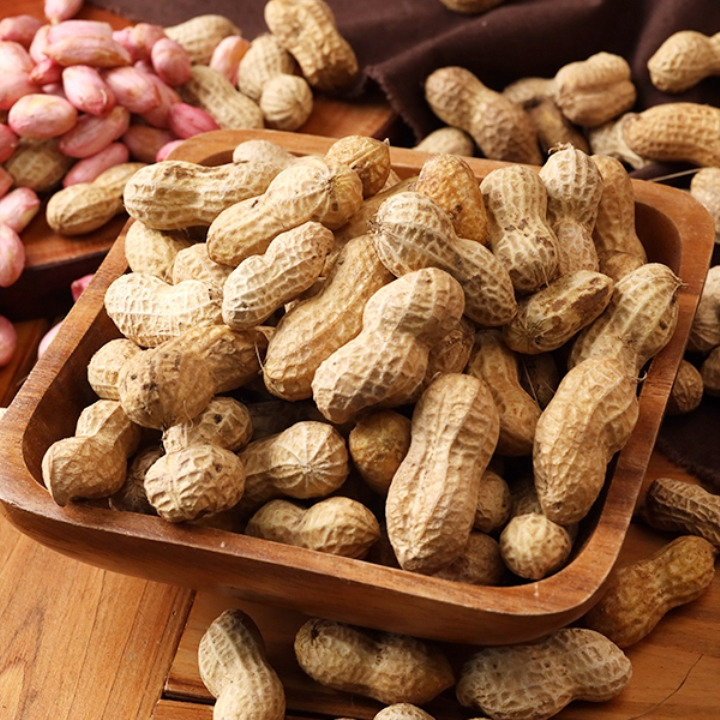
4) How to Choose & Store (aflatoxin & rancidity prevention)
- Buy smart: Look for recent production/expiration, sealed packs, unsalted/no-sugar-added. If buying from bulk bins, prefer high-turnover stores.
- Store right: After opening, move to an airtight container and refrigerate (up to ~3 months) or freeze (up to ~6 months). Keep away from light, heat, and humidity.
- Toss if off: Musty or “old paint” smell, bitter/soapy taste, visible mold or discoloration → throw it out.
5) Fast Q&A
Q1. I’m losing weight. Can I keep peanuts?
Yes—use one handful (28 g) once a day to start, and pre-meal (“preload”) 20–35 g may help curb overeating and has shown BP benefits in research. Keep total daily calories in check.
Q2. I have prediabetes. What’s the smartest way to eat peanuts?
Add 20–30 g of peanuts or 2 Tbsp peanut butter to high-GI meals (cereal, white toast) to soften the glucose spike. Personal glucose responses vary, so use your meter/CGM to confirm.
Q3. Is it safe for kids? I’m nervous about peanut side effects like allergy.
For high-risk infants, discuss early introduction with a pediatrician/allergist. For typical households, begin with thin, smooth peanut butter in tiny amounts and watch carefully.
Q4. What’s a practical daily max?
For most adults, one handful (about 28 g) fits well. Adjust 20–35 g to match your weight goals. Go stricter if your peanuts are salted or sweet-coated.

Bottom Line
Peanut benefits include friendlier lipids, steadier post-meal glucose, better satiety, and encouraging gut-microbe signals—all within a measured serving. The big watch-outs are allergy, aflatoxin (buy and store smart), and sodium/sugar-heavy products. Start with 28 g/day, choose unsalted, no-sugar-added varieties, and place peanuts where they work for your routine—breakfast, a planned snack, or a small pre-meal portion.
Health note: This article is for general education and doesn’t replace personalized medical care. If you have symptoms, chronic conditions, or food-allergy concerns, consult your clinician.






최근댓글