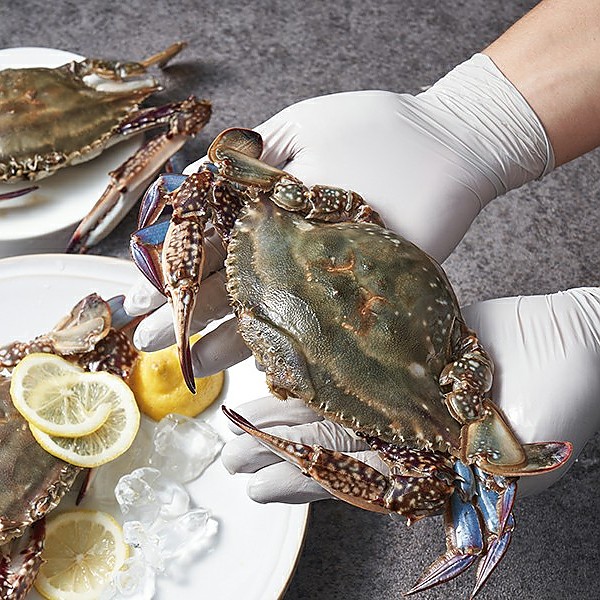
1) Quick Take
- Crab benefits: Lean, high-protein seafood rich in vitamin B12, selenium, and zinc—supporting energy metabolism, nerve health, and immunity. Data from commonly eaten swimming/blue crabs back this profile.
- Safety basics: Cook seafood to an internal 63 °C / 145 °F until the meat turns opaque and firm.
- Potential side effects: Watch for shellfish allergy (cross-reactivity with shrimp), high sodium and hygiene issueswith soy-marinated crab (ganjang gejang), and cadmium concerns in crab innards (hepatopancreas/shell).
- Storage rule: Use or cook within 1–2 days in the fridge, or freeze immediately.
- In season: On Korea’s west coast, spring and fall are peak fishing periods. Markets often prefer roe-filled females in spring and meaty males in fall.
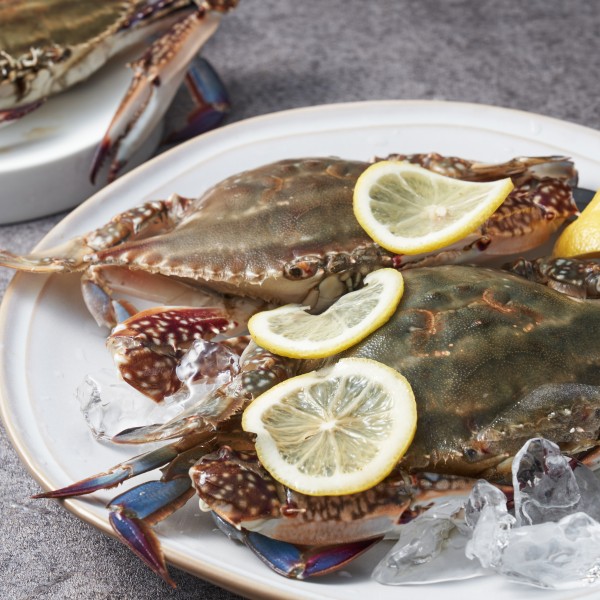
2) Health Benefits of Flower Crab — 5 Easy Takeaways
1) Energy & Nerve Support
Crab meat is naturally high in vitamin B12, which helps reduce fatigue and supports normal nerve function—one reason seafood in general fits well in energy-friendly meal plans.
2) Antioxidant & Immune Support
Selenium and zinc in crab contribute to antioxidant enzymes and immune responses. Regular seafood intake is a practical way to cover these micronutrients.
3) Weight-Smart Macro Profile
Crab is lean and high in protein, delivering strong satiety with relatively modest calories. From a crab caloriesperspective, it’s an easy everyday protein choice.
4) Heart-Friendly Eating Pattern
Seafood provides omega-3s (EPA/DHA), associated with better lipid profiles and lower inflammatory tone. Actual amounts vary by species and cooking method.
5) Versatile, Low-sodium Cooking
Because it shines with steaming, soups, and light sautés, you can build crab recipes that keep sodium and fat in check without sacrificing flavor.
3) Side Effects & Who Should Be Careful — A Simple Checklist
- Allergy history?
The main shellfish allergen (tropomyosin) can trigger cross-reactions between shrimp and crab. If you’ve reacted before, follow individualized medical guidance. - How much soy-marinated crab?
WHO recommends <2,000 mg sodium/day for adults. Ganjang gejang is naturally salty, so portion control is non-negotiable. Also mind hygiene—choose reputable sellers, refrigerate immediately, eat within the use-by date, and discard if there’s off-odor or slime. Recent inspections have flagged microbial non-compliance in some products. - Go easy on innards (shell/hepatopancreas).
Korea sets a cadmium limit for swimming crabs including innards. The prudent approach is less often and smaller amounts of innards—enjoy the meat instead. - Summer & raw risks (Vibrio, etc.)
Raw or undercooked seafood raises food-borne illness risk, especially in warm waters. In hot months, double down on thorough cooking, separate cutting boards/knives, and hand hygiene.
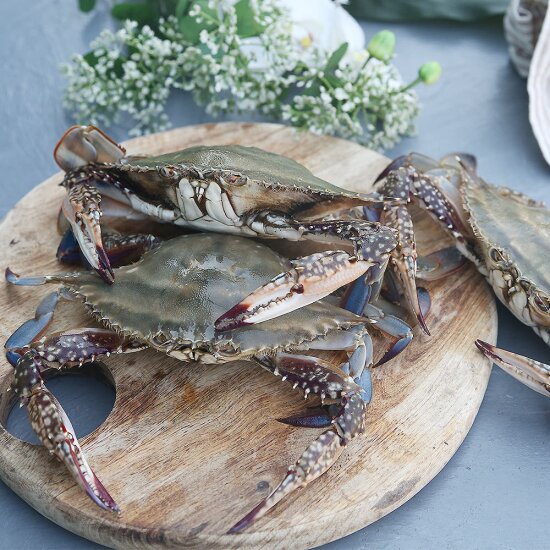
4) How to Eat Crab — Flavor and Safety Together
Core cooking rule
Cook to 63 °C / 145 °F until the meat looks opaque and firm. A thermometer is the easiest win.
Quick menu guide
- Steamed Crab: After cleaning, steam 10–15 minutes depending on size. Add ginger/scallions to tame brininess. Among crab cooking methods, this is the cleanest, lowest-sodium option.
- Crab Soup/Stew: Boil thoroughly, then add vegetables at the end to preserve texture.
- Soy-Marinated Crab (Ganjang Gejang):
- Portion: Pair small portions with rice and vegetables; keep total daily sodium <2,000 mg.
- Hygiene: Chill promptly (≤4 °C / 40 °F), follow the use-by date, and skip if you notice suspicious odor or slime.
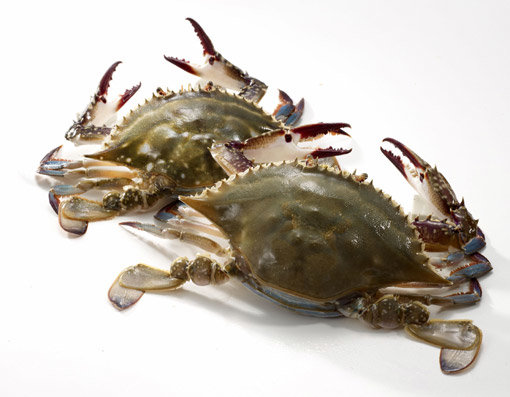
5) Cleaning & Storage — Step-by-Step for Beginners
How to clean (basics)
- Scrub shell and joints under running water.
- Lift the apron (belly flap) and remove gills and the sand sac.
- Separate knives and cutting boards for seafood vs. meat/produce to avoid cross-contamination.
- Cut into serving pieces to match your recipe.
→ After cleaning, pat dry and seal tightly for best safety and freshness.
How to store (fridge & freezer)
- Golden rule: For raw shellfish, cook within 1–2 days in the fridge or freeze immediately.
- Fridge: Keep at ≤4 °C / 40 °F. Place on a tray to catch drips.
- Freezer: Keep at 0 °F / −18 °C. For the best texture and flavor, eat within a few months even though safety lasts longer if kept frozen solid.
6) In-Season & Buying Tips + Quick FAQ
Season & preference
- Fishing windows (Korea): Spring (Apr 1–Jun 20) and Fall (Aug 21–Nov 30) are active periods. Shoppers often prefer roe-laden females in spring and meaty males in fall.
- Freshness cues: Glossy shell with clear patterning, firm joints, minimal fishy odor. Use the belly flap shape to tell female vs. male.
FAQ
Q. How many calories are in crab?
Generally low-calorie, high-protein. As a ballpark, some blue/switching crab references show ~98 kcal and ~19 g protein per 100 g of meat, though numbers vary by species and cooking method.
Q. What if I have gout?
Your overall purine load, alcohol, weight, and medications matter more than a single food. Plan a personalized dietwith your clinician and keep portions moderate.
Q. Is crab okay during pregnancy?
With thorough cooking, reliable sourcing and cold chain, and avoiding frequent innard consumption, crab can fit into everyday meals. If unsure, check with your care team.

7) Five Practical Tips You Can Use Tonight
- Lean recipes first: Steam or soup; season with low-sodium soy, herbs, and pepper. Keep ganjang gejang to small portions.
- Portion control: 60–120 g (2–4 oz) of crab meat works well as a main protein. Adjust other dishes to keep sodium under 2,000 mg/day.
- Skip frequent innards: Cadmium concerns mean enjoy the meat, not the innards. If using sauce from shells, dilute with veggies and rice.
- Summer hygiene: No raw or undercooked crab. Separate tools. Chill quickly.
- Storage & thawing: Follow the 1–2 day fridge rule. Thaw in the refrigerator, never on the counter.

8) Bottom Line
Crab benefits center on a lean, high-protein profile with B12, selenium, and zinc that support heart, nerve, and immune health. The key risks—allergy, sodium/hygiene with soy-marinated crab, and cadmium in innards—are manageable with portion control, thorough cooking, and smart storage. In season, aim for roe-rich females in spring and meaty males in fall for the best flavor and satisfaction.
Medical & Legal Notice
This article is for general health information. For diagnosis or treatment of personal symptoms or conditions, consult your licensed healthcare professional.






최근댓글