
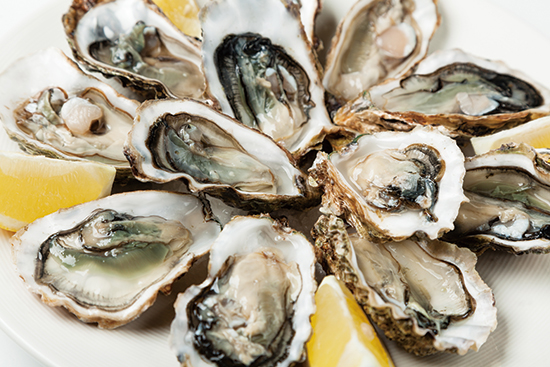
Feeling tired, low on appetite, or not loving your skin lately? A plate of fresh oysters might be exactly what your body needs. Often called “milk of the sea,” oysters are rich in zinc, vitamin B12, and iron, supporting immune health and energy metabolism.
That said, it’s important to stay mindful of hygiene risks such as norovirus and Vibrio vulnificus, and potential heavy metals like cadmium. This guide covers oyster benefits, side effects, safe ways to enjoy them, and practical storage tips—clearly, simply, and based on current evidence.
Long-Tail Keywords to Use Naturally
- oyster benefits for immunity & fatigue
- oyster side effects norovirus & Vibrio
- how to eat oysters: raw vs cooked
- oyster nutrition zinc & vitamin B12
- oyster storage and thawing tips
- oyster season winter guide
Core keywords to repeat naturally: oyster benefits, oyster side effects, how to eat oysters
Why Oysters Are Called “Milk of the Sea” (Nutrition, Season, Basics)
Nutrient density: Per 100 g, oysters provide notable zinc, copper, vitamin B12, and iron with relatively low calories (~59 kcal). They make a lean, nutrient-dense protein option. Many servings meet or exceed daily needs for zinc and B12.
Best season: Fall to winter (cooler water) is oyster season, when freshness and flavor peak.
Omega-3s: Like other seafood, oysters can help you meet EPA/DHA recommendations when prepared wisely.
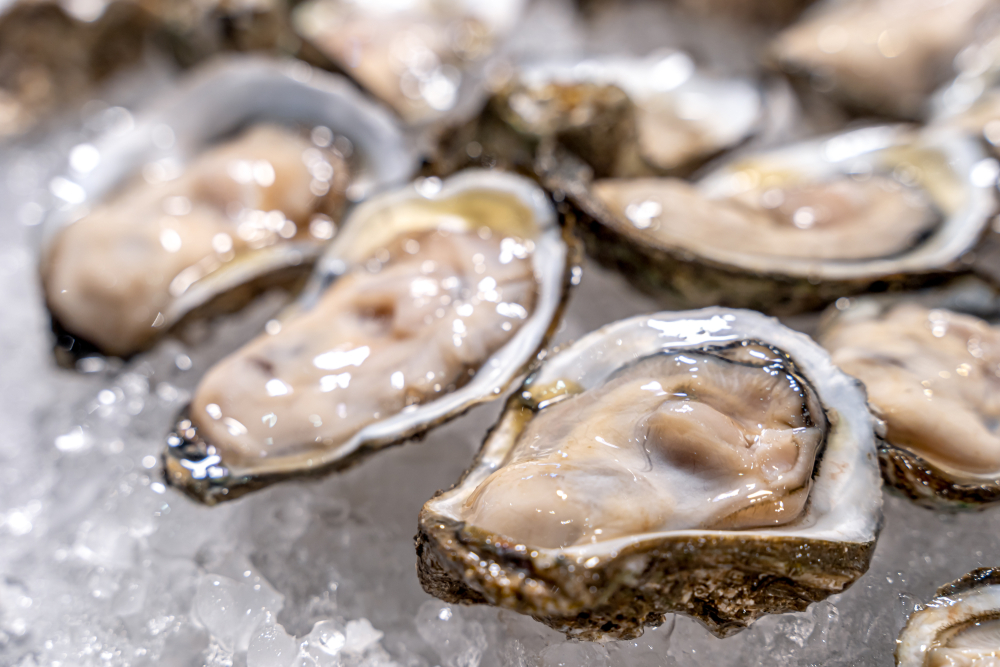
Oyster Benefits You Can Actually Feel (5 Key Points)
1) Immune, Skin & Hair Support (Zinc)
Oysters are one of the best natural sources of zinc, a mineral essential for immune cell function, wound repair, and healthy skin turnover. No wonder oyster benefits often start here.
2) Energy & Nervous System Support (Vitamin B12 & Iron)
B12 and iron help build healthy red blood cells and support energy metabolism. As a concentrated source of these nutrients, oysters can help reduce feelings of fatigue from a dietary perspective.
3) Heart-Friendly Eating Pattern (Seafood Omega-3)
Seafood tends to be lower in saturated fat and provides omega-3s, helping balance overall fat intake.
4) Antioxidant/Anti-Inflammatory Potential (Oyster Peptides/Extracts)
Recent preclinical studies suggest oyster-derived peptides may modulate antioxidant and inflammatory pathways. Human trials are limited, so treat this as promising but preliminary.
5) Lean but Nutrient-Dense (Diet-Friendly)
Low calorie yet mineral-rich—great for nutrient density on weight-management plans. To get the most oyster benefits, choose steaming, soups, or grilling over deep-frying.
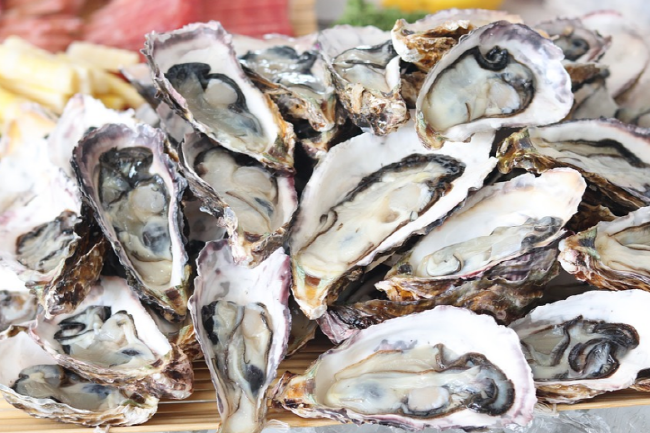
Oyster Side Effects & Safety—What to Watch Out For
Norovirus (Foodborne Illness)
Raw or undercooked oysters can carry norovirus, and outbreaks are reported seasonally. Children, older adults, pregnant people, and those with weakened immunity should opt for fully cooked oysters.
Vibrio vulnificus
Though rare, V. vulnificus infections can be severe. Avoid raw oysters during warm-water months and stick to thorough cooking. People with liver disease, iron overload, or compromised immunity should be extra cautious.
Heavy Metals (e.g., Cadmium)
Shellfish can reflect local water quality. Choose reputable sources, check origin labels, and rotate seafood varietiesrather than eating the same shellfish daily.
Allergies
If you have a shellfish allergy or notice hives, wheezing, or swelling after eating oysters, stop immediately and seek medical care.
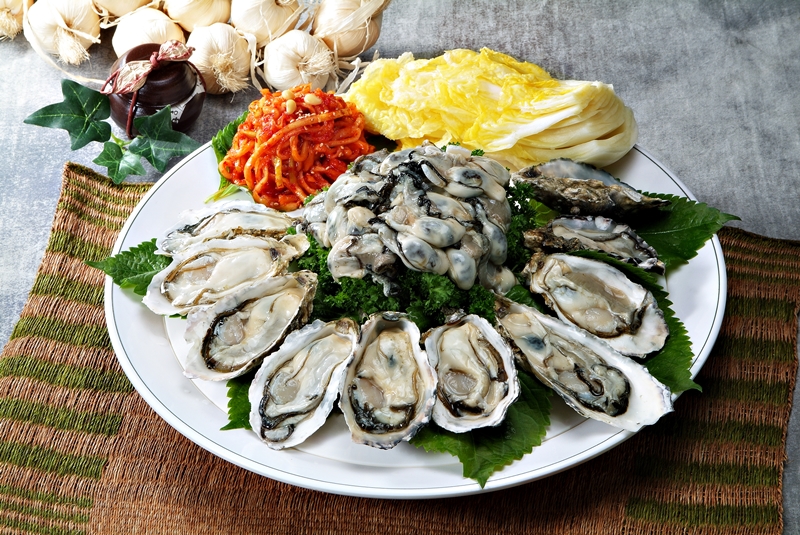
How to Eat Oysters: Raw vs Cooked—Which Is Better?
Raw Oysters
Pros: pure briny flavor, zero cook time
Cons: higher infection risk
Tips: Buy from trusted vendors, confirm raw/ready-to-eat labeling, keep a cold chain, discard any with broken shells or off-odors. Vulnerable groups should avoid raw.
Cooked Oysters (Recommended)
Steam, soups, oyster rice, frittata/egg custard, or grill to at least 63 °C / 145 °F. Minerals like zinc and B12 remain relatively stable, so you still capture key oyster benefits.
How to Choose Fresh Oysters
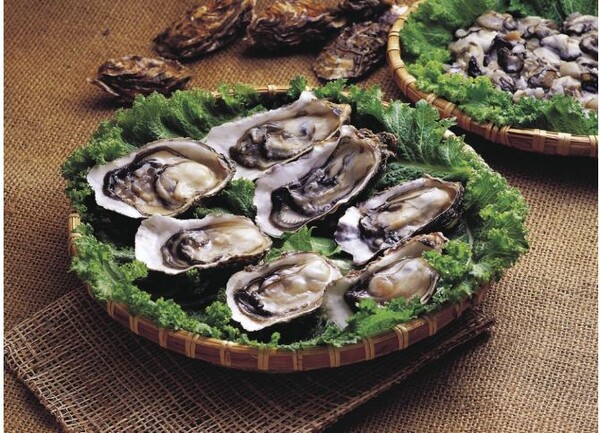
- Tightly closed shells; when opened, a clean ocean aroma (not sour/fishy).
- Clear liquor and springy texture.
- Signs of age: dull surface, cloudy liquor, or off-odors → discard.
Storage & Thawing
- Refrigerate at 32–39 °F (0–4 °C) and eat same day or next day.
- For frozen oysters, thaw in the fridge and cook thoroughly.
- Periodically check recalls and safety notices from authorities.
Oyster Q&A—Quick Answers to Common Questions
Q1. How much is “just right”?
A. It varies, but a practical pattern is 1–2 times per week, 70–100 g per serving, rotating with other seafood. That balances oyster benefits while lowering oyster side effects risk.
Q2. Safe for pregnancy or kids?
A. Yes—when fully cooked. Avoid raw oysters due to infection risk.
Q3. Good for B12/iron?
A. Oysters are excellent sources. For anemia treatment, follow medical advice; oysters can help nutritionally.
Q4. Okay for weight loss?
A. Yes. They’re low-calorie, nutrient-dense. Favor soups, steaming, or grilling over frying.
5 Practical Tips You Can Use Today
- Cook, don’t raw—especially for vulnerable groups. Start with oyster soup or miso-style seaweed soup with oysters.
- Freshness 3-check: closed shell → clear liquor → clean ocean scent. When in doubt, throw it out.
- Prevent cross-contamination: separate boards/knives for raw seafood; sanitize counters and hands after handling.
- Lighten up seasoning: let oysters shine with lemon, scallions, garlic, herbs; go easy on salt and oils.
- Rotate seafood: don’t rely on oysters alone—mix in oily fish and other shellfish through the week.
Easy, Safe & Tasty Oyster Recipes
- Oyster-Seaweed Soup: Sauté soaked seaweed lightly, add water/stock, then cleaned oysters; season with salt and minced garlic.
- Oyster Rice: Rice + kombu stock + oysters + shiitake; cook as usual. Finish with soy sauce and scallions.
- Oyster Egg Custard (Steamed): Whisk eggs with stock, add oysters and scallions, steam gently; finish with a drop of sesame oil.
Key Takeaway & Final Advice
One-liner: Oysters are a low-calorie, high-nutrient food rich in zinc, B12, and iron. Choose fresh, reputable sources, and cook thoroughly to enjoy oyster benefits while minimizing oyster side effects (norovirus, Vibrio, metals).
Remember: Check freshness → cook properly → rotate seafood choices.
Medical Disclaimer: This article is for educational purposes only and is not a substitute for professional medical advice. Seek personalized guidance from your healthcare provider if needed.






최근댓글