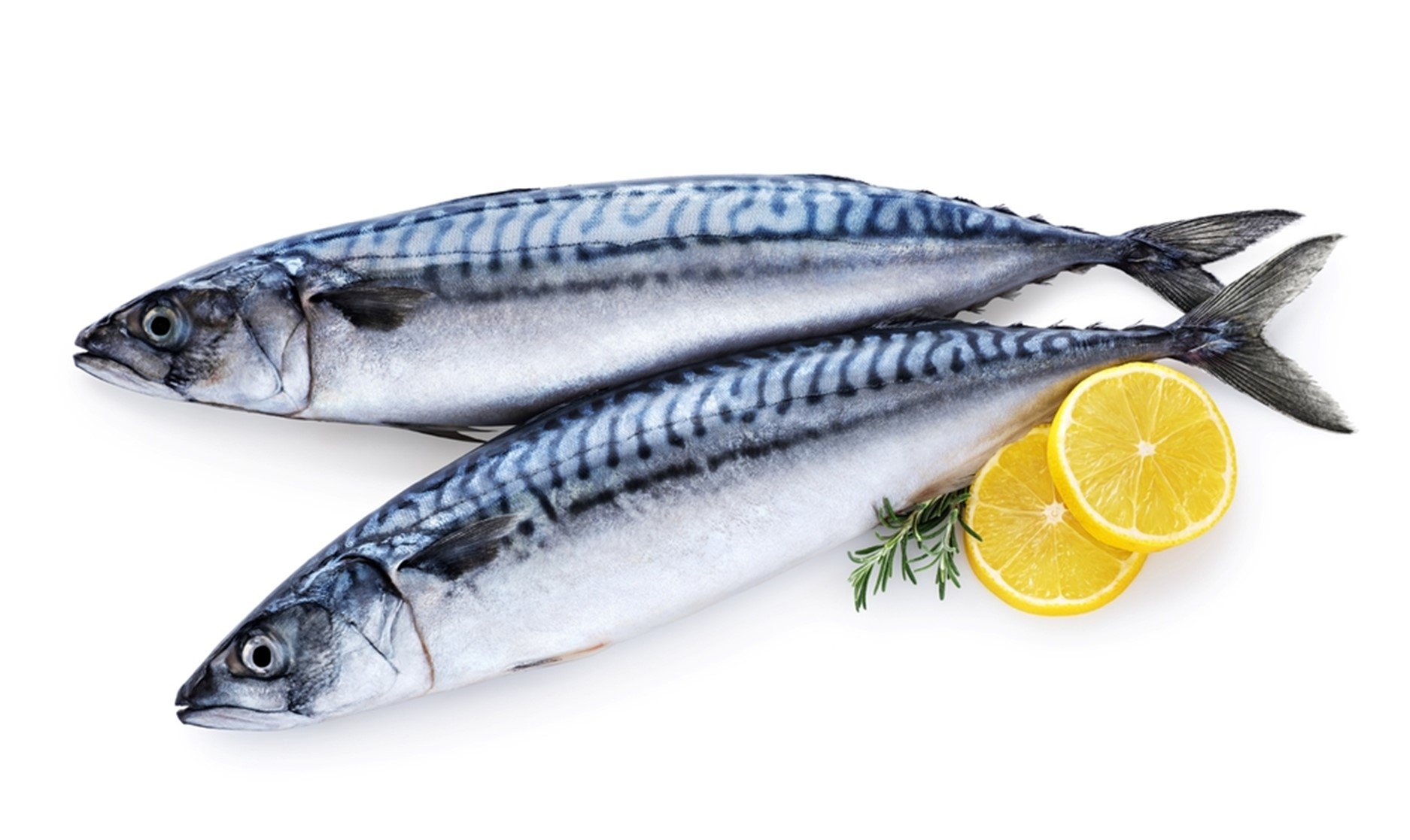
“Is it okay to eat mackerel every day?”
You’ve probably asked yourself this question before.
Mackerel is known as one of the most nutritious fish — packed with omega-3 fatty acids, vitamin D, and protein. But at the same time, concerns about mercury, histamine poisoning, and other side effects often come up.
In this post, let’s break down the health benefits, possible side effects, and the safest ways to enjoy mackerel — clearly, simply, and backed by science.
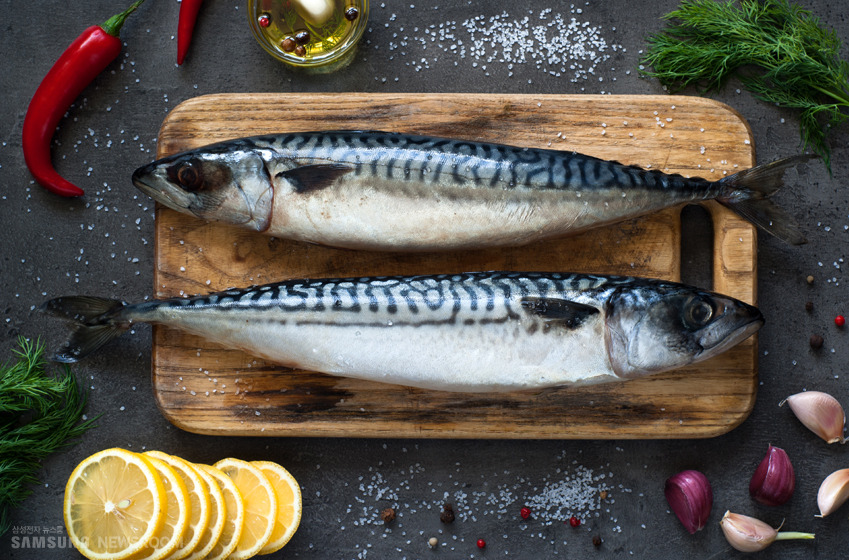
🐟 Why Mackerel Is a Superfood
Mackerel is a fatty fish rich in high-quality protein and healthy fats.
Per 100g, it provides about 19g of protein, 13µg of vitamin D (≈550 IU), and nearly 2g of omega-3 fatty acids (EPA and DHA).
🧠 The Power of Omega-3 (EPA & DHA)
- Lowers triglycerides in the blood
- Reduces inflammation in blood vessel walls
- Supports brain and eye health
Meanwhile, vitamin D and vitamin B12 help maintain immune strength and energy levels,
and selenium (Se) acts as an antioxidant, helping reduce oxidative stress.
👉 Simply put, mackerel supports heart, brain, skin, and immune health all at once.
💪 Top 7 Health Benefits of Mackerel
- Improves Blood Circulation
Omega-3 helps keep blood flowing smoothly and supports healthy blood pressure. - Lowers Risk of Heart Disease
Studies show that people who eat fish twice a week have a lower risk of heart attacks and angina. - Boosts Immunity with Vitamin D
If you don’t get much sunlight, mackerel is one of the best natural sources of vitamin D. - Fights Fatigue with Vitamin B12
Vital for nerve function and red blood cell formation — mackerel is one of the richest natural sources. - Slows Aging with Antioxidants
Selenium helps combat free radicals, keeping your skin firm and cells healthy. - Enhances Brain Function
DHA, a major component of brain cells, supports focus, memory, and cognitive performance. - Supports Weight Control
Protein and healthy fats promote fullness and help preserve muscle during weight loss.
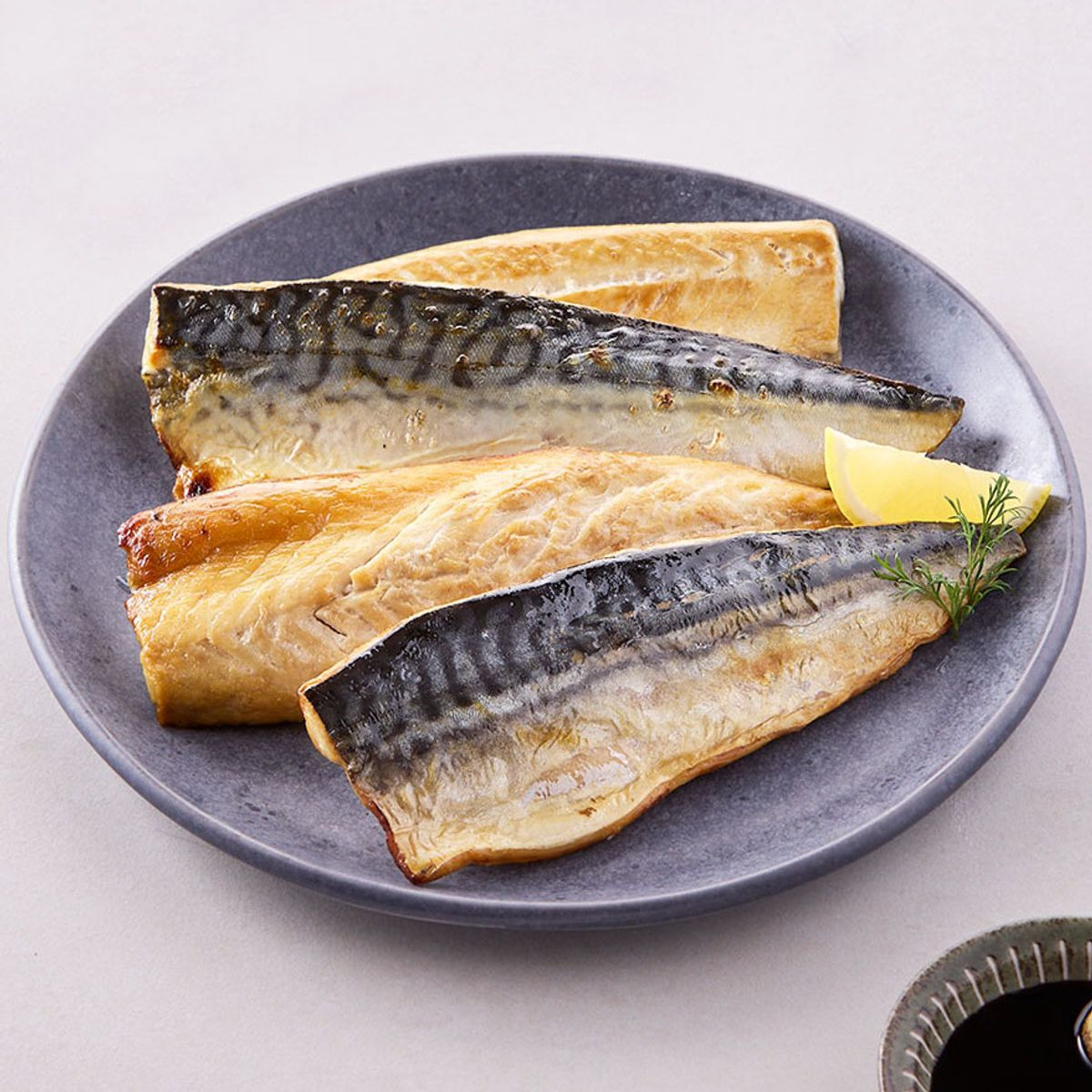
⚠️ Possible Side Effects — What to Watch Out For
Even healthy foods can be harmful if stored or prepared the wrong way.
Here are three key things to remember:
1️⃣ Mercury (Methylmercury)
- The King Mackerel variety is high in mercury — avoid it if you’re pregnant, nursing, or feeding young children.
- Common Atlantic and Pacific mackerel contain much lower levels and are generally safe.
2️⃣ Histamine (Scombroid Poisoning)
- When mackerel sits at room temperature too long, it produces histamine, which can cause rashes, headaches, or nausea.
- Always keep it refrigerated below 4 °C (40 °F) and thaw slowly in the fridge — never at room temperature.
3️⃣ Sodium Content
- Salted or canned mackerel is often high in sodium.
Rinse it lightly before eating, or season fresh mackerel with lemon, herbs, or pepper instead of salt.
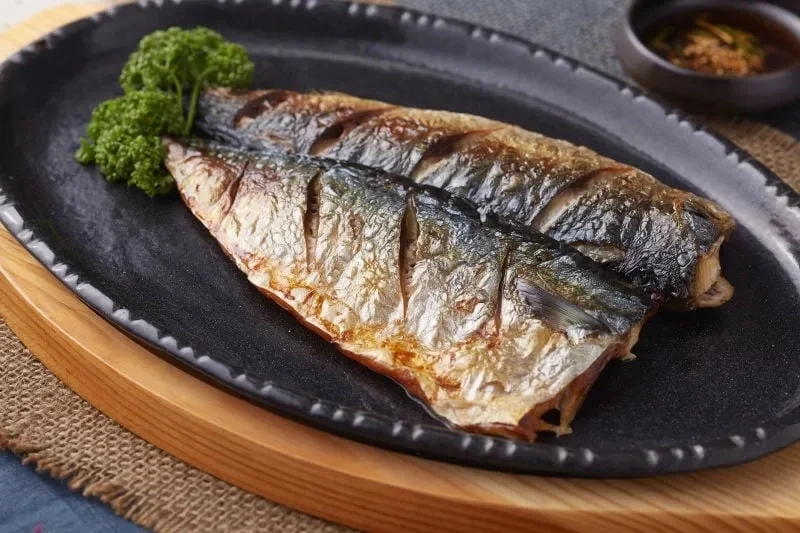
🍽 How Much and How Often to Eat
- Adults: 2 servings per week, 100–150 g each
- Pregnant/Nursing Women: 2–3 servings weekly — choose low-mercury fish (mackerel, salmon, sardines)
- Children: 1–2 small servings per week
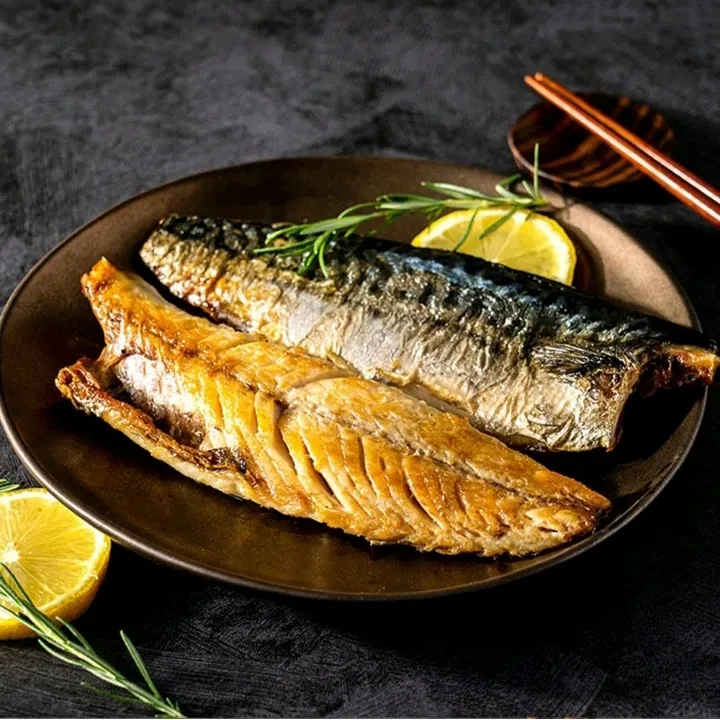
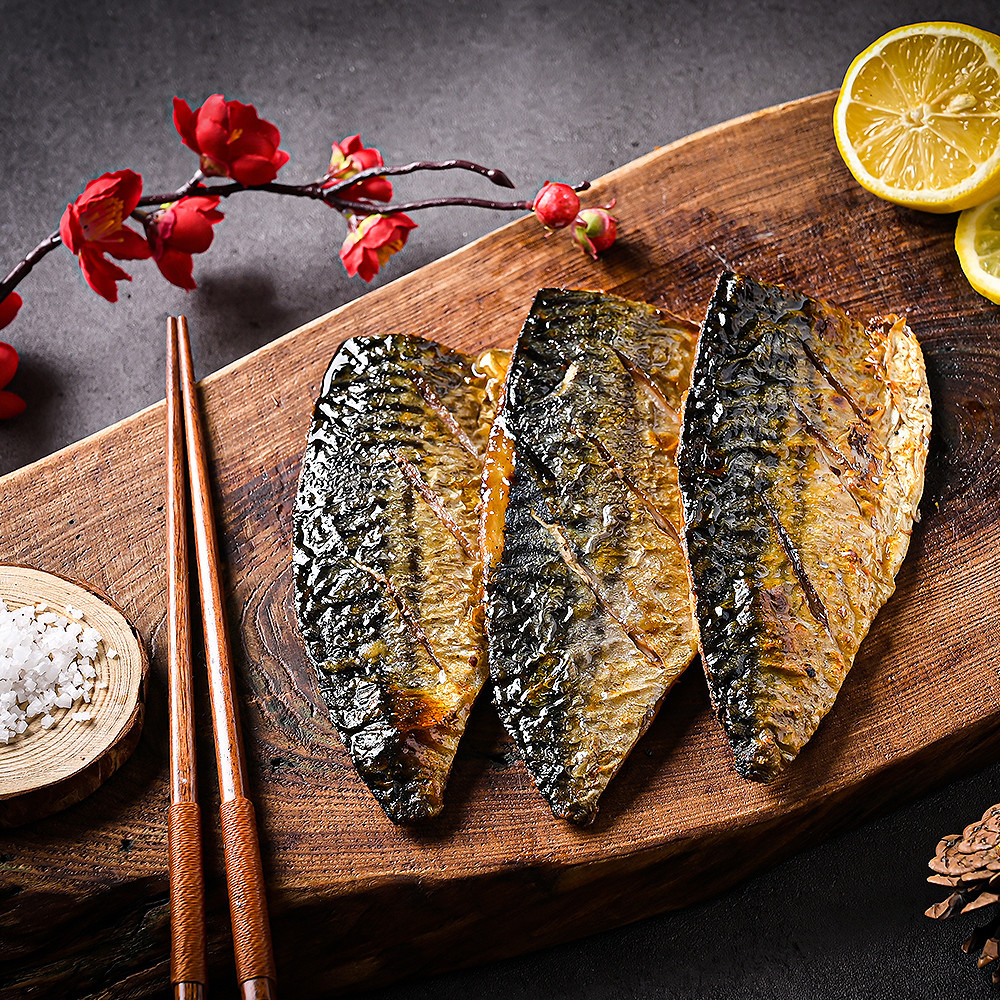
Choose grilled, steamed, or air-fried mackerel instead of deep-fried.
This preserves omega-3s and prevents harmful oxidized fats.
👉 Food first, supplements second.
For most healthy adults, eating fish regularly is safer and more effective than taking omega-3 capsules.
🧊 Choosing, Storing, and Cooking Tips
How to choose
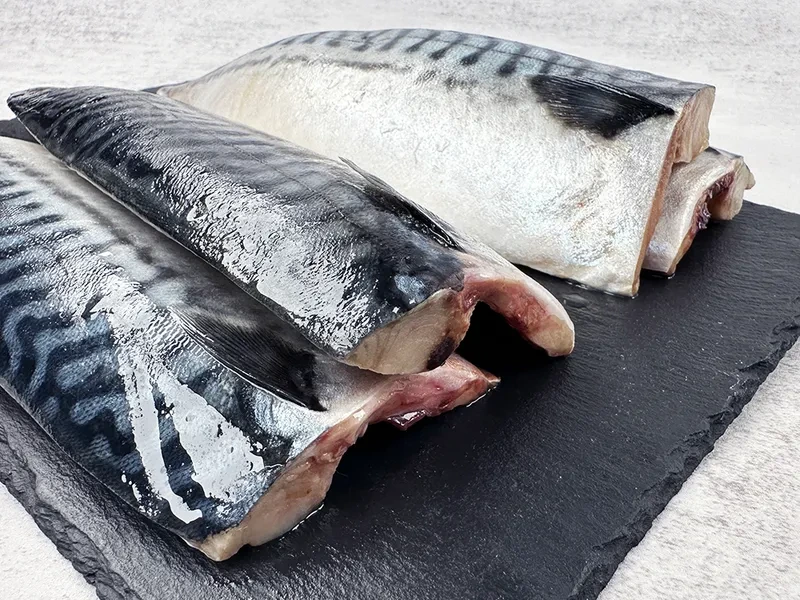
- Clear eyes, firm belly, and a mild ocean smell indicate freshness.
How to store
- Keep refrigerated at 0–2 °C (32–36 °F) and cook within 48 hours.
- For long-term storage, freeze below –18 °C (0 °F).
- Thaw slowly in the refrigerator to prevent histamine buildup.
How to cook
- Pan-sear over medium heat 5–7 minutes per side.
- Air fryer 180 °C (355 °F) for 12–15 minutes.
- Great grilled, braised, or steamed.
Best pairings
Cook with radish, onion, ginger, or garlic to reduce fishy odor and add extra antioxidants.
✅ 5 Practical Tips for Everyday Health
- Set a “Fish Day” — Monday & Thursday = mackerel days.
- Check the label — avoid “King Mackerel.”
- Refrigerate immediately — keep it under 4 °C (40 °F).
- Cook with herbs & lemon — easy low-sodium flavor.
- Balance your plate — mackerel + vegetables + whole grains.
❓ Frequently Asked Questions
Q. Is canned mackerel still healthy?
Yes, it retains omega-3s, but check sodium levels. Choose “low-sodium” labels or rinse before eating.
Q. Can I eat mackerel every day?
Two servings per week is ideal. Eating it daily may increase exposure to sodium or trace metals.
Q. Can I take omega-3 supplements with mackerel?
It’s fine in moderation, but if you take blood thinners or have surgery scheduled, consult your doctor first.
🩵 Quick Summary
| Main Benefits | Heart health, immunity, anti-aging, energy |
| Cautions | Mercury (avoid King Mackerel), histamine, sodium |
| Intake | 2 servings per week, 100–150 g each |
| Cooking | Grill · Steam · Air-fry |
| Tips | Buy fresh → Refrigerate → Cook within 2 days |
💬 Final Takeaway
A small change in your diet can lead to a big improvement in your health.
Add mackerel to your shopping list this week — it’s a simple way to boost your heart, skin, and immune health all at once.
Mackerel isn’t just delicious — it’s one of the smartest fish you can eat.
Disclaimer:
This article is for general educational purposes and should not replace professional medical advice.
If you have existing conditions or symptoms, please consult your healthcare provider.






최근댓글