🔍 Introduction: “Is weak bone health just about getting older?”
Maybe your back suddenly “tweaked,” or you fractured a wrist from a small slip. It might be more than a random accident. Osteoporosis quietly weakens bone from the inside, making it easier to break as we age.
The good news: with the right habits and timely care, much of it is preventable.
In this guide, you’ll find osteoporosis causes, symptoms, treatments, plus bone-friendly foods and daily habits—explained clearly and practically.
1) What Is Osteoporosis? — The “Silent Bone Thief”
Osteoporosis means lower bone density and strength, so even minor impacts can lead to fractures. You can feel perfectly fine on the outside while bones are getting fragile on the inside.
- After menopause, a sharp drop in estrogen raises risk—so women in their 50s and beyond need special attention.
- Men aren’t immune. Lack of exercise, smoking, heavy drinking, and poor nutrition are key contributors for everyone.
Who’s at higher risk?
- Women ≥50 / postmenopausal
- Low body weight or sedentary lifestyle
- Parent with a hip fracture
- Long-term steroid use
- Low calcium or vitamin D intake
2) Symptoms — “I felt fine… then I broke a bone”
Early osteoporosis symptoms are often subtle or nonexistent—hence the “silent disease.” Watch for:
- Back or mid-back pain
- Noticeable height loss or a rounded upper back
- Fractures of the wrist, spine, or hip after a minor fall
If these appear, osteoporosis may already be in progress. Regular bone density testing is the most reliable prevention strategy.
When to consider a bone density (DXA) scan
- Women: age 65+ or earlier after menopause if risk factors are present
- Men: age 70+ or earlier with significant risk factors
3) Causes — Everyday habits that erode bone
Most cases relate to hormone changes and lifestyle:
| Internal | Aging, menopause, family history, hormone imbalance |
| External | Inactivity, low calcium & vitamin D, smoking, alcohol, certain medications (e.g., long-term steroids) |
Falling estrogen slows bone rebuilding. Low calcium and protein weaken bone structure, and long hours of sitting further accelerate loss.

4) Treatment — How to rebuild and protect bone
The goal of osteoporosis treatment is simple: prevent fractures. Effective care combines lifestyle changes with medication when needed.
💊 Medications (doctor-guided)
- Bisphosphonates: most commonly used; slow bone breakdown
- Denosumab: injection that improves bone density
- Romosozumab: a newer option that stimulates bone formation
Important: Always start and stop meds under medical guidance. For example, stopping denosumab abruptly may raise fracture risk, so a follow-on plan is essential.
5) Best Foods for Bone Health — Build a bone-strong plate
Food is as crucial as medicine. Focus on calcium, vitamin D, and protein.
| Calcium | 1,000–1,200 mg | Anchovies/sardines with bones, tofu (calcium-set), milk, yogurt, cheese, bok choy, kale |
| Vitamin D | 800–1,000 IU | Salmon, fortified milk/yogurt/cereals, egg yolk, mushrooms, and sunlight |
| Protein | 1.0–1.2 g per kg body weight | Eggs, tofu, chicken breast, beans/lentils, fish, Greek yogurt |
Easy eating tips
- One daily serving of milk or plain yogurt
- Make fish or tofu a frequent main dish
- Get ~20 minutes of midday sunlight when possible
- Cut back on excess salt and caffeine
- Stay smoke-free and drink less alcohol
6) Everyday Habits — Start today, protect tomorrow
Exercise is a natural bone booster. The right mix reduces falls and fractures.
Suggested weekly routine
- Strength training (e.g., squats, stair climbing, dumbbells)
- Yoga/Pilates and gentle mobility work
- Brisk walking 30 minutes, 3–5 times weekly
Home safety & lifestyle
- Aim for 7+ hours of sleep
- Hydrate and keep meals balanced
- Prevent falls with good lighting and non-slip mats
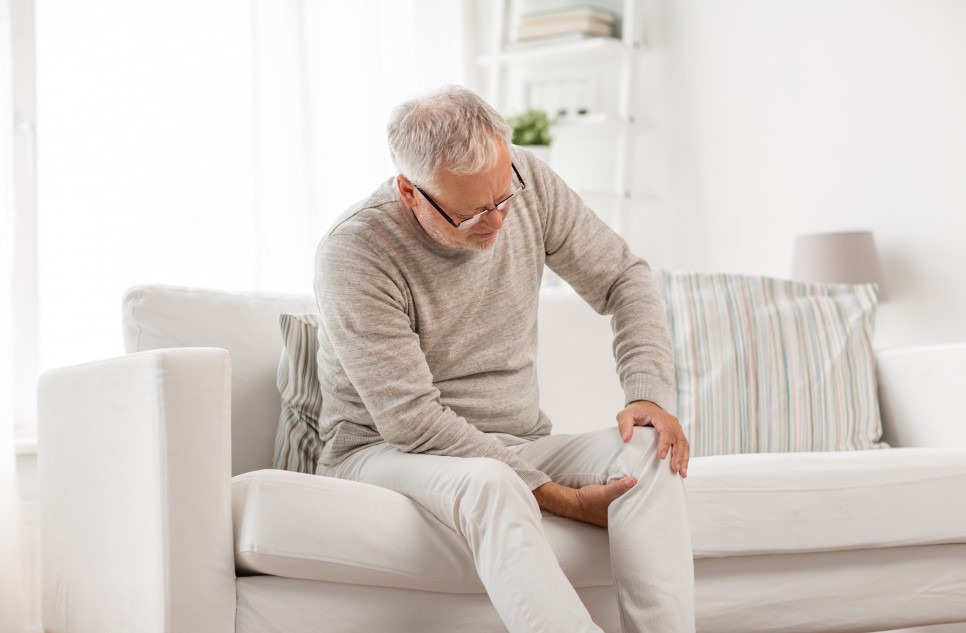
7) Key Takeaways — Once bone weakens, recovery is harder
- Osteoporosis is quiet but can seriously impact quality of life through fractures.
- Early testing and daily habits make a big difference.
- Combine exercise, smart nutrition, and medication (if needed) for the best results.
Remember: Bone health doesn’t change overnight. Move a little every day and meet your calcium + vitamin D goals—your “bone age” five years from now will thank you.
Medical Note
This article is for education and is not a substitute for professional medical care. Always consult your physician for diagnosis and treatment decisions.






최근댓글