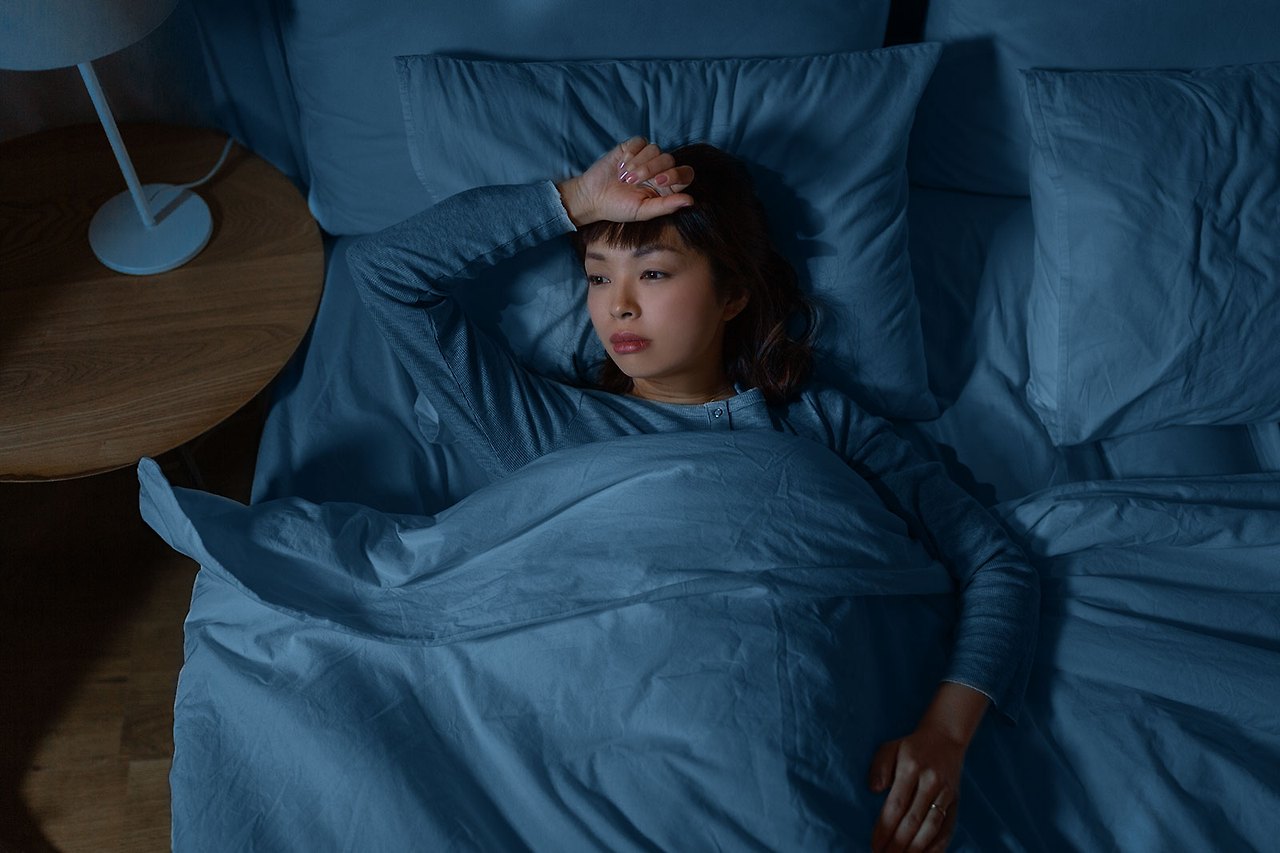
🌙 Have you ever felt like this?
“I toss and turn all night and finally fall asleep at dawn.”
“No matter how long I sleep, I wake up tired and sluggish.”
If this sounds familiar, you may be dealing with a sleep disorder, not just simple fatigue.
In today’s fast-paced world, insomnia is becoming increasingly common due to smartphone use, chronic stress, and irregular sleep schedules.
The good news?
With the right habits and evidence-based treatment, restful sleep can be restored.
This guide breaks down the causes, symptoms, and treatments of sleep disorders in clear, simple terms—plus, you’ll find a nightly sleep recovery routine you can start right away.
✅ What Exactly Is a Sleep Disorder?
A sleep disorder refers to any condition that prevents you from getting quality sleep.
The most common type is insomnia, which means difficulty falling asleep, staying asleep, or waking up too early at least three times a week for more than three months.
👉 Studies show that roughly 1 in 10 adults experiences chronic insomnia.
Sleep isn’t just “rest.”
It’s when your body repairs itself and balances essential systems like immunity, memory, hormones, and mood.
When sleep quality drops, both your body and mind suffer.
🔍 Major Causes of Sleep Disorders
Sleep problems usually result from a combination of lifestyle, psychological, and medical factors.
1️⃣ Poor Lifestyle Habits
- Using smartphones or screens late at night
- Drinking coffee or energy drinks in the afternoon
- Exercising too close to bedtime
- Sleeping in a bright or noisy room
2️⃣ Psychological Factors
- Stress or anxiety
- Depression
- Obsessive thoughts like “If I don’t sleep tonight, tomorrow will be ruined”
3️⃣ Medical Conditions
- Sleep apnea: Loud snoring, pauses in breathing, morning headaches, daytime sleepiness
- Thyroid disorders, chronic pain, acid reflux
- Certain medications (stimulants, steroids, etc.)
💡 Tip: The right treatment depends on the cause.
Instead of just saying, “I can’t sleep,” focus on why you can’t sleep.
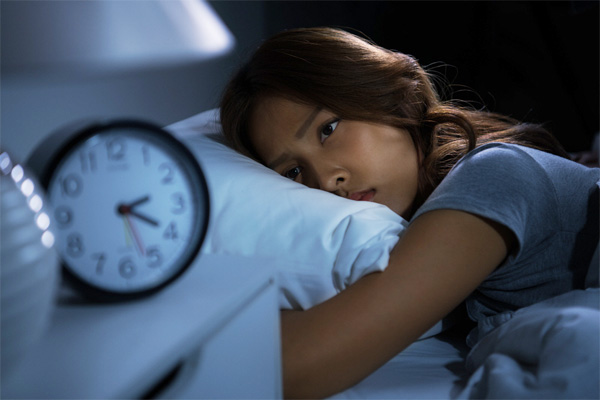
⚠️ Common Symptoms of Sleep Disorders
- Difficulty falling or staying asleep
- Waking up too early
- Daytime fatigue, lack of focus, or headaches
- Poor memory or mood swings
Self-Check Questions:
- Do you toss and turn for more than 30 minutes at least 3 nights a week?
- Do you feel sleepy or unfocused during the day?
- Has anyone noticed your snoring or breathing pauses?
If you answered “yes” to two or more, you may have a sleep disorder.
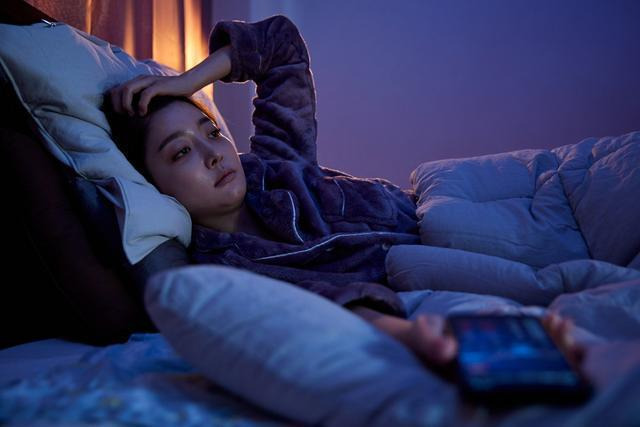
💤 Five Habits to Improve Sleep Starting Tonight
1️⃣ Wake up at the same time every day
Keep your wake-up time consistent—even on weekends—to stabilize your body clock.
2️⃣ Limit caffeine after 2 PM
Remember: coffee, tea, chocolate, and energy drinks all contain caffeine.
3️⃣ Power down your screens one hour before bed
Blue light suppresses melatonin, the sleep hormone.
4️⃣ Set up a sleep-friendly bedroom
Dim lighting, cooler temperature (around 65–68°F / 18–20°C), and silence help your body relax.
5️⃣ Write your worries down
If your mind races at night, use a “worry notebook.” Putting thoughts on paper helps you mentally switch off.
🧠 The Most Effective Treatment: Cognitive Behavioral Therapy for Insomnia (CBT-I)
The gold standard for insomnia treatment is Cognitive Behavioral Therapy for Insomnia (CBT-I) — a non-drug approach that retrains your thoughts and behaviors around sleep.
Core Components:
- Sleep restriction: Limit time in bed to your actual sleep duration, then gradually increase.
- Stimulus control: Use your bed only for sleep—no phones, laptops, or TV.
- Relaxation training: Deep breathing, meditation, or light stretching before bed.
Digital CBT-I programs (apps and online platforms) are also gaining traction.
Recent studies show they’re highly effective for improving sleep quality and efficiency.
💊 Medication and Supplements: Use With Care
Prescription sleep aids can help temporarily but may lead to dependence if used long term.
Always consult a healthcare professional before starting any medication.
What about Melatonin?
- Works best for jet lag or shift-work sleep issues.
- Has limited benefits for chronic insomnia.
- Long-term safety is still debated — it’s safest under medical guidance.
🫁 When Snoring or Breathing Pauses Are Severe
Sleep apnea isn’t just snoring — it’s when breathing repeatedly stops during sleep, lowering oxygen levels.
This condition increases the risk of heart disease, high blood pressure, and obesity.
If you or your partner notice these symptoms, a sleep study (polysomnography) is essential.
Treatment options include CPAP (Continuous Positive Airway Pressure) devices, weight management, and positional therapy.
📅 4-Week Sleep Recovery Plan
Week 1: Reset Your Sleep Schedule
- Fix your wake-up time
- Avoid caffeine after lunch
- Start a sleep diary
Week 2: Apply Sleep Restriction & Stimulus Control
- Stay in bed only during your usual sleep duration
- Get out of bed if you can’t sleep within 20 minutes
Week 3: Build Relaxation Habits
- Practice 4-7-8 breathing or gentle stretching before bed
Week 4: Try a Digital CBT-I App
- Follow personalized cognitive and behavioral modules to reinforce progress
🍎 3 Lifestyle Tips for Better Sleep
1️⃣ Eat light dinners – Heavy meals can cause reflux and interrupt sleep.
2️⃣ Take a 20-minute daylight walk – Morning sunlight helps regulate your internal clock.
3️⃣ Write a short gratitude journal – Reflecting on positive moments lowers stress and promotes calm.
🧩 Final Takeaway
- Sleep disorders affect your entire body, not just your energy levels.
- The best results come from identifying the cause → improving habits → applying CBT-I.
- Melatonin and sleeping pills should only be temporary aids.
- If snoring or breathing issues persist, seek a sleep evaluation.
Starting tonight, try these three steps:
📵 Turn off your phone early ⏰ Fix your wake-up time 🧘♀️ Relax your mind.
Small, consistent habits can bring back peaceful, refreshing sleep.
⚕️ Disclaimer
This article is for educational purposes only and is not a substitute for professional medical advice.
If you experience ongoing sleep problems, consult a licensed healthcare provider.






최근댓글