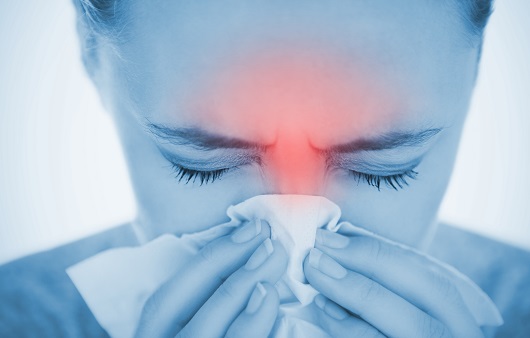
If this sounds familiar, you might be dealing with more than just a lingering cold.
When a “cold” drags on for 3–4 weeks or longer, it could actually be sinusitis, also known as a sinus infection or chronic sinusitis when it becomes long-lasting.
Sinusitis happens when the small air-filled spaces around your nose and eyes (your sinuses) become inflamed and filled with mucus or pus. This can lead to:
- Constant nasal congestion (stuffy nose)
- Thick yellow or green nasal discharge
- Facial pain or pressure
- Headaches
- Reduced sense of smell
- Poor sleep and low energy
In this guide, we’ll walk through, in a simple and practical way:
- What sinusitis (sinus infection) actually is
- How it’s different from a common cold or allergies
- Key sinusitis symptoms and early warning signs
- When you might need tests or a sinus CT scan
- Treatment options: from home care and medications to surgery and newer therapies
- Daily habits that help prevent sinusitis from coming back
1. What Exactly Is Sinusitis, and How Is It Different From a Cold?
Let’s start with the basics: your sinuses.
Your sinuses are:
- Small air-filled cavities inside the bones of your face and around your nose
- Lined with the same type of moist tissue (mucosa) that lines your nose
- Connected to your nasal passages through tiny openings
They help:
- Warm and humidify the air you breathe
- Filter dust and irritants
- Add resonance to your voice
When those tiny drainage openings swell and become blocked, mucus and pus build up inside, pressure increases, and that’s when a sinus infection (sinusitis) develops.
1) Acute vs. Chronic Sinusitis
Doctors usually divide sinusitis into two broad types:
- Acute sinusitis (acute sinus infection)
- Often starts after a cold
- Symptoms typically improve within 4 weeks
- Chronic sinusitis (chronic sinus infection)
- Symptoms like stuffy nose, nasal discharge, facial pressure, and loss of smell
- Persist for 12 weeks (3 months) or longer, even with treatment
Many people brush it off as “just a stubborn cold,” only to find out later that they’ve been living with chronic sinusitis for months.
2) Sinusitis vs. Cold vs. Allergies
They can look similar at first, but there are important differences.
Common Cold
- Sore throat, cough, body aches
- Typically improves within 7–10 days
Allergic Rhinitis (Allergies)
- Clear, watery runny nose
- Sneezing, itchy nose or eyes
- Triggered by dust, pollen, pet dander, etc.
- Facial pain is rare
Sinusitis (Sinus Infection)
- Yellow or green thick mucus
- Persistent nasal congestion
- Facial pain or pressure (cheeks, forehead, around the eyes)
- Headache that worsens when you bend forward or laugh
- Reduced sense of smell
Key “sinusitis vs. cold” clues:
- Cold symptoms last more than 10 days without improving
- Symptoms start to get better, then suddenly get worse again
- You feel heavy pressure in your face or teeth, especially when bending over
2. What Triggers Sinusitis and Makes It Worse?
1) The Most Common Trigger: “After a Cold”
Most sinus infections start with a regular upper respiratory infection, like a cold.
Here’s how it often happens:
- You catch a cold → nasal lining becomes swollen and produces more mucus
- The tiny openings that connect the sinuses to the nose become blocked
- Mucus gets trapped inside the sinuses
- Bacteria find a perfect place to grow → bacterial sinusitis develops
That’s why rest and proper care during a cold can actually help prevent a sinus infection.
2) Structural Issues Inside the Nose
Certain structural problems in the nose can interrupt normal sinus drainage:
- Deviated septum (the wall inside the nose is crooked)
- Enlarged nasal turbinates (swollen tissue inside the nose)
- Nasal polyps (soft, non-cancerous growths in the nose or sinuses)
These issues can make chronic sinusitis more likely and can also make treatment take longer or lead to frequent recurrences.
3) Allergies and Environmental Factors
Common aggravating factors include:
- Allergic rhinitis (nasal allergies)
- Air pollution and fine dust
- Cigarette smoke and secondhand smoke
- Dry indoor air, air conditioning blowing directly on your face
- Chlorine exposure from swimming pools
- Occupational dusts and fumes (painting, woodworking, etc.)
If you have allergies, uncontrolled allergic rhinitis and sinusitis often flare together, so managing your allergies is a key part of sinusitis prevention.
4) Everyday Habits That Don’t Help
Some lifestyle patterns quietly make sinusitis worse:
- Smoking or spending time around smokers
- Drinking very little water
- Staying up late and pushing through illnesses without rest
- Ignoring a constantly stuffy nose
These may seem harmless in the short term, but in the long run, they all work against healthy sinus function.

3. When Should You Suspect a Sinus Infection?
1) Common Sinusitis Symptoms in Adults
Watch for these patterns if you suspect sinusitis symptoms rather than a simple cold:
- Nasal congestion that lasts more than 10 days
- Thick yellow or green mucus from the nose
- Mouth breathing because your nose feels completely blocked
- Facial pain or pressure in the forehead, cheeks, or around the eyes
- Headaches that get worse when you bend forward
- Loss or reduction of smell
- Postnasal drip – mucus running down the back of your throat, especially when lying down
- Bad breath and constant fatigue
If you recognize several of these together, there’s a good chance you’re dealing with sinusitis, not just a lingering cold.
2) Sinusitis Symptoms in Children
Children often don’t say “my face hurts.” Instead, sinusitis may show up like this:
- “Cold” symptoms that last more than 10 days
- Persistent or worsening cough, often worse at night
- Fever that lingers around 100–101°F (38℃)
- Reduced appetite, tiredness, crankiness
- Bad breath, noticeable “nasal” or stuffy voice
To parents, it can feel like their child “always has a cold,” but in many cases, these are classic pediatric sinusitis signs, and it’s worth visiting a pediatrician or ENT specialist.
4. How Do Doctors Diagnose Sinusitis?
(Exams, Tests, and CT Scans)
The good news: diagnosing a sinus infection is often straightforward.
1) The Most Important Clues: “Time Course + Symptoms”
Doctors pay close attention to:
- Symptoms that last longer than 10 days without improvement
- High fever (over 102°F / 39℃) plus thick nasal discharge for 3 or more days
- Symptoms that start to improve, then suddenly get worse again
(this “double worsening” pattern strongly suggests bacterial sinusitis)
These patterns point toward acute bacterial sinusitis, rather than a simple viral cold.
2) Common Sinusitis Tests You Might Receive
1. Medical History and Physical Exam
- When your symptoms started and how they’ve changed
- Whether you have allergies, asthma, or a history of sinus issues
- Smoking, dental problems, or recent dental work
2. Nasal Endoscopy
- A thin, flexible camera is gently inserted into the nose
- Lets the doctor directly see:
- Swelling
- Pus or thick mucus
- Nasal polyps
- Structural problems
3. Sinus CT Scan
Many people ask, “When do I need a sinus CT scan?”
A CT scan may be recommended when:
- Chronic sinusitis is suspected
- Symptoms keep coming back despite treatment
- Surgery is being considered
- There are warning signs of complications
(severe eye swelling, intense pain, vision changes, high fever)
A CT scan shows which sinuses are inflamed and whether structural issues are playing a role.
For mild, uncomplicated acute sinusitis, CT is usually not necessary—doctors can diagnose it based on your symptoms and a physical exam.

5. Sinusitis Treatment: From Home Care to Surgery
Treatment depends on the cause, duration, and severity of your sinus infection.
1) Most Cases: Viral + Natural Recovery → Symptom Relief Is Key
Many acute sinus infections are triggered by viruses and will improve on their own within 1–2 weeks. In these situations, the focus is on making you feel better and supporting healing.
Helpful options include:
- Saline nasal irrigation
- Rinses out mucus, allergens, and irritants
- Helps reduce congestion and postnasal drip
- Warm compresses or steam inhalation
- Can ease facial pain and pressure
- Pain relievers and fever reducers
- Such as acetaminophen or ibuprofen (as appropriate for you)
- Short-term decongestant sprays or pills
- May help temporarily with severe stuffiness
- But should not be used for more than 3–5 days to avoid rebound congestion
2) When Bacterial Sinusitis Requires Antibiotics
If symptoms are severe or fit the pattern of bacterial sinusitis, your doctor may recommend antibiotics.
Typically:
- First-line medications are often amoxicillin-based antibiotics (sometimes with clavulanate)
- Many treatment courses last around 10 days, though this can vary
- If symptoms are mild, some doctors prefer a “watchful waiting” period of 2–3 days before starting antibiotics, especially in adults, to see if symptoms start to improve on their own
In other words, not every sinus infection needs antibiotics.
The decision should be based on clear criteria and a proper medical evaluation, not just mucus color alone.
3) Treating Chronic Sinusitis – Sprays and Rinses Are the Foundation
When sinusitis becomes chronic, treatment becomes more about long-term control than quick fixes.
Common approaches include:
- Nasal steroid sprays
- Reduce inflammation inside the nose and sinuses
- Help shrink nasal polyps
- Work best when used consistently over time, not just a few days
- Hypertonic or isotonic saline nasal rinses
- Support healing of the mucosa
- Help thin and wash away thick mucus
- Allergy management (if allergies are involved)
- Antihistamines
- Environmental control (washing bedding, controlling dust, etc.)
- Short courses of oral steroids
- Sometimes used in more severe cases or when polyps are large
People often ask, “How long does chronic sinusitis treatment take?”
It varies widely—anything from a few weeks to several months.
If significant anatomical issues are present, surgery may eventually be recommended.
4) Surgery and Newer “Biologic” Treatments
If medications and lifestyle changes still don’t control chronic sinusitis, especially when nasal polyps are present, additional options include:
- Functional Endoscopic Sinus Surgery (FESS)
- Performed through the nostrils with a tiny camera
- Opens blocked sinus pathways
- Removes polyps and allows mucus to drain properly
More recently, for severe chronic sinusitis with nasal polyps that keeps coming back even after surgery, certain biologic injections (such as dupilumab and similar drugs) have emerged as advanced treatment options.
These are typically reserved for patients with persistent, hard-to-treat chronic sinusitis, under the care of a specialist.
6. Five Daily Habits to Help Prevent Sinusitis from Coming Back
Sinusitis can be a one-time problem—or it can turn into a recurring pattern.
Here are practical “sinus-friendly” lifestyle habits you can start right away.
1) Make Saline Nasal Rinses a Routine
- Use lukewarm saline solution once or twice a day, especially during cold and allergy season or when pollution levels are high
- Key points for safe sinus rinse technique:
- Don’t squeeze too forcefully
- Keep the mouth open and breathe gently through the mouth
- Clean and dry your rinse bottle or neti pot thoroughly after each use
2) Control Indoor Air and Humidity
- Aim for indoor humidity around 40–60%
- Change the water in your humidifier daily and clean it often to prevent mold and bacteria buildup
- On days with high air pollution or heavy pollen, limit how long you keep windows open and consider using an air purifier
3) Don’t Push Through a Bad Cold
Many sinus infections begin as “a cold you pushed through.”
During the early days of a cold:
- Go to bed a bit earlier and allow yourself extra rest
- Drink plenty of warm fluids
- Use saline rinses to keep mucus moving and reduce inflammation
These simple steps can significantly lower the risk of your cold turning into a full-blown sinus infection.
4) Quit Smoking and Avoid Secondhand Smoke
- Cigarette smoke constantly irritates and damages the nasal and sinus lining
- It’s one of the major contributors to chronic sinusitis
- Try to keep your home and car a smoke-free zone, and avoid spending long periods in smoky environments
5) Manage Allergies Proactively
If you know you’re allergic to dust mites, pet dander, mold, or pollen:
- Wash bedding regularly in hot water
- Use mattress and pillow covers to reduce dust mites
- Consider removing carpets or heavy drapes that trap dust
- Vacuum frequently with a HEPA filter
- Talk with your doctor about allergy medications or, in some cases, allergy immunotherapy
The better your allergies are controlled, the easier it is to keep sinusitis from flaring up.
7. Key Takeaways: When to Take Sinusitis Seriously
To wrap things up, here’s a quick summary:
- If you have cold symptoms lasting longer than 10 days, especially with:
- Yellow/green mucus
- Facial pain or pressure
- Headaches that worsen when bending forward
→ It’s time to consider a sinus infection (sinusitis) rather than just a cold.
- Sinusitis diagnosis is based mainly on your symptom pattern and exam.
- Your doctor may also use nasal endoscopy or a sinus CT scan in chronic or complicated cases.
- Sinusitis treatment typically starts with:
- Symptom relief and saline rinses
- Antibiotics only when clear signs of bacterial sinusitis are present
- For chronic sinusitis, nasal steroid sprays and regular rinses are the foundation, with surgery or biologics reserved for more severe cases.
- To prevent sinusitis from coming back:
- Rinse your nose with saline
- Keep indoor air clean and comfortably humid
- Rest properly during colds
- Avoid smoking and secondhand smoke
- Manage allergies consistently
If you’ve been living with stuffy nose, headaches, and reduced sense of smell for weeks or months, don’t just assume it’s “a long cold.”
Scheduling a visit with an ENT (ear, nose, and throat) specialist for a proper evaluation can make a huge difference in your daily comfort, sleep quality, and overall energy.
Important Note
This article is for general information and education only.
It’s not a substitute for a medical diagnosis or personalized treatment.
If you have concerning or persistent symptoms, always consult a qualified healthcare professional for an accurate evaluation and appropriate care.






최근댓글