
1. “My child keeps coughing at night… Is it just a cold or asthma?”
If you’re raising a child, you may have said or thought something like this:
“They’re fine during the day, but as soon as night comes, the coughing starts again.”
“After running around, they get short of breath and I hear a wheezing sound in their chest.”
At first, most parents assume it’s just another cold.
But when this pattern keeps repeating for weeks or months, a worrying thought naturally appears:
“Could this be asthma?”
Pediatric asthma is one of the most common chronic conditions in children.
It’s characterized by persistent coughing, shortness of breath, and repeated wheezing episodes.
The good news is, you don’t have to be overly afraid.
Treatment for asthma in children is well-established today, and if it’s diagnosed early and managed properly, most kids can run, play, and live just like their friends.
In this article, we’ll walk through:
- What pediatric asthma is
- The main causes and triggers of pediatric asthma
- Key symptoms and warning signs to watch for
- How pediatric asthma is tested and diagnosed
- Current treatment options for asthma in children
- Simple at-home prevention and management tips you can start right away
All in one place, in a way that’s easy to understand and apply in daily life.
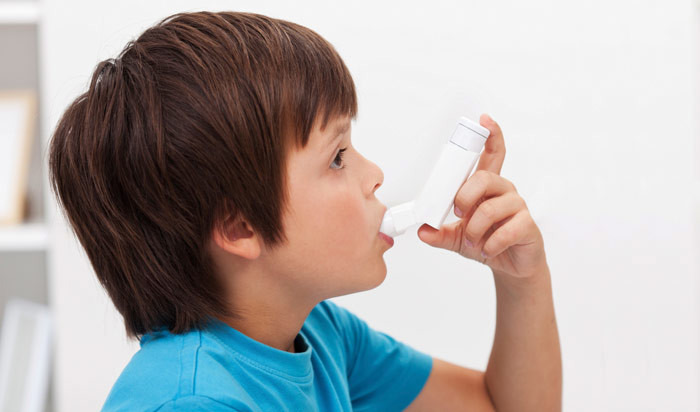
2. What Is Pediatric Asthma? How Is It Different from a Cold?
2-1. A simple definition of pediatric asthma
Pediatric asthma is a condition in which your child’s airways (breathing tubes) become inflamed, making them hypersensitive and narrowed.
Because of this, your child may:
- Start coughing easily in certain situations
- Make a wheezing sound when breathing
- Look short of breath or complain that their chest feels tight or uncomfortable
In this article, we’ll keep coming back to a few core ideas and keywords:
- Pediatric asthma
- Pediatric asthma symptoms
- Pediatric asthma causes
- Pediatric asthma treatment
- Pediatric asthma prevention
We’ll unpack each of these in turn.
2-2. How it differs from a cold or acute bronchitis
This is where many parents get confused.
Colds or acute bronchitis usually:
- Get better within 1–2 weeks, and
- Often come with fever, runny nose, and sore throat
In contrast, pediatric asthma tends to show a different pattern:
- Coughing often lasts more than 3 weeks
- Every time your child gets a cold, the coughing and wheezing come back again and again
- Symptoms are often worse at night or in the early morning,
and your child may become short of breath after exercise or active play
That’s why parents often end up Googling things like:
- “Child keeps coughing at night”
- “Wheezing sound when my child breathes”
If this pattern repeats over and over, you should seriously consider the possibility of early pediatric asthma symptoms, not just a lingering cold.
3. Why Does It Happen? Causes and Triggers of Pediatric Asthma
There isn’t a single, simple cause of pediatric asthma.
Instead, it’s usually a combination of inborn tendencies and daily environment.
3-1. Genetic and constitutional factors
- If one or both parents have asthma, allergic rhinitis, or atopic dermatitis,
the child has a higher chance of developing pediatric asthma. - Children with an allergic constitution may react more strongly to things like dust mites or pet dander.
In other words, some kids are born with airways that are more sensitive to allergens and irritants.
3-2. Indoor environment – dust, mold, and pet dander
Children spend most of their time indoors, especially at home.
- Old bedding, carpets, and stuffed animals can harbor large amounts of house dust mites.
- Homes that are poorly ventilated or prone to condensation are more likely to develop mold.
- Dog and cat dander and saliva can also act as triggers and make pediatric asthma symptoms worse in some children.
Even if you can’t see it, your child’s airways are constantly exposed to what’s floating around indoors.
3-3. Fine dust and cigarette smoke (secondhand smoke)
- On days with heavy air pollution or fine dust, your child’s airways can become more irritated,
and asthma symptoms may flare up. - The most important factor, though, is cigarette smoke.
Smoking inside the home continually irritates a child’s airways and becomes one of the biggest obstacles to preventing pediatric asthma and keeping it under control.
If at all possible, it’s best to set a clear family rule:
“No smoking inside the house.”

4. Nighttime Coughing and Wheezing: Pediatric Asthma Symptom Checklist
Let’s take a closer look at pediatric asthma symptoms.
If several of the signs below apply to your child, asthma should be on your radar.
4-1. Key pediatric asthma symptoms to watch for
1) Persistent cough
- Your child continues to cough for more than 3 weeks after a cold
- The cough is noticeably worse at night or in the early morning
2) Wheezing (a whistling sound when breathing)
- When your child exhales, you hear a whistling or wheezing sound from the chest
- It tends to get worse after running, laughing hard, or crying
3) Shortness of breath and chest tightness
- Your child climbs a short flight of stairs and then stops, saying they feel out of breath
- They hold or rub their chest, as if it feels tight or uncomfortable
4) Disturbed sleep
- Your child wakes up repeatedly at night due to coughing or breathing difficulty
- The next day, they look tired and their overall mood and energy seem low
When these patterns keep repeating,
it’s better to consider pediatric asthma as a possibility rather than simply saying, “It’s just another cold.”
4-2. Emergency warning signs – when to go to the ER right away
The following are red flags that mean you should head to the emergency room immediately:
- Your child’s lips or fingernails turn bluish
- Their nostrils flare noticeably with each breath
- They cannot speak in full sentences and can only get out a few words at a time
- You see the skin between their ribs or above the collarbones pulling in with each breath
These signs may indicate a severe asthma attack.
This is not the time to wait and see — your child needs urgent treatment in the ER, such as oxygen and inhaled bronchodilators.
5. How Do Doctors Check for It? Pediatric Asthma Tests and Diagnosis
The way pediatric asthma is evaluated can vary slightly depending on your child’s age and condition.
5-1. Medical history – when and how the symptoms appear
First, the doctor will ask a series of detailed questions, such as:
- When did the cough start?
- Are symptoms worse at night or every time your child catches a cold?
- Do coughing and wheezing get worse after running, laughing, or crying?
- Does anyone in the family have asthma, allergies, or atopic dermatitis?
This step — understanding the pattern of symptoms — is a crucial part of pediatric asthma evaluation.
5-2. Lung function tests and bronchodilator response
From about 5–6 years of age, many children can perform a basic lung function test (spirometry).
- Your child takes a deep breath in, then blows out as hard and fast as possible,
while the machine measures how well the air flows out of the lungs. - Then they inhale a bronchodilator (a medication that opens the airways) and repeat the test,
so the doctor can compare how much the numbers improve.
If the results significantly improve after the bronchodilator,
it makes asthma a much more likely diagnosis.
5-3. Allergy testing and chest X-ray
If needed, your doctor may also recommend:
- Blood tests or skin prick tests
to see if your child is sensitized to dust mites, pollen, pet dander, etc. - A chest X-ray
to rule out other lung conditions
By combining all this information — history, physical exam, lung function tests, and allergy testing —
the doctor can reach a pediatric asthma diagnosis and suggest a tailored treatment plan.
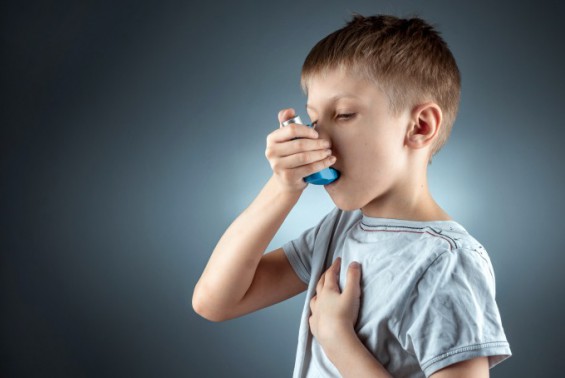
6. Pediatric Asthma Treatment – Does My Child Have to Be on Medication for Life?
Now to the question most parents worry about:
“How is pediatric asthma treated, and will my child need medication forever?”
The goal of pediatric asthma treatment is not just to reduce coughing. It’s to:
- Help your child sleep through the night without coughing
- Allow them to enjoy school, sports, and play without frequent limitations
- Protect their lung function in the long term
6-1. Controllers vs. relievers – what’s the difference?
Asthma medications are broadly divided into two groups:
1) Controllers
- These medications reduce inflammation inside the airways
- The most common are inhaled corticosteroids (ICS)
- They’re taken regularly, even when the child feels fine,
to keep asthma under control and prevent flare-ups
2) Relievers
- These are rescue medications used when the child is suddenly short of breath
- They work by quickly opening up the narrowed airways
- They’re generally used only when symptoms appear
Recent guidelines increasingly recommend treatment strategies that prioritize controller medications, even in children.
Studies show that controlling airway inflammation on a regular basis is safer and more effective than just reacting with relievers during attacks.
6-2. Should I be worried about inhaled steroids?
One of the most common concerns is:
“If my child uses steroids, will it affect their growth?”
It’s important to know that inhaled corticosteroids are different from taking large-dose steroids by mouth.
- The dose is much smaller and delivered directly to the airways
- When used at appropriate doses, they can significantly reduce asthma symptoms and prevent severe attacks
Of course:
- Extremely high doses used for a long time can affect growth and hormones
- This is why it’s essential to work closely with your child’s pediatrician or pediatric pulmonologist
to find the lowest effective dose and adjust it as needed
The key point is this:
It’s generally more harmful to leave asthma poorly controlled with no controller medication
than to use well-monitored inhaled steroids at the right dose.
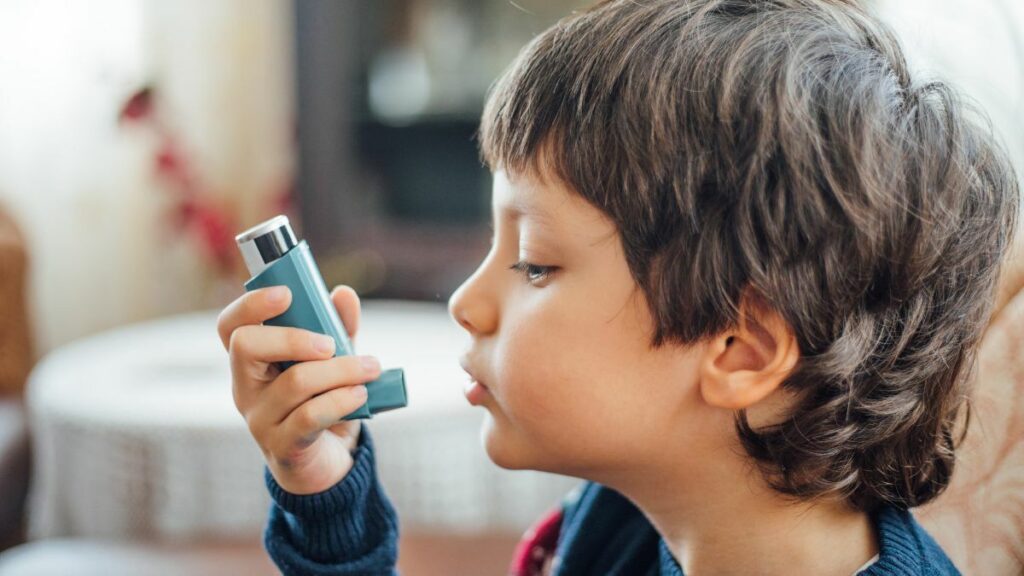
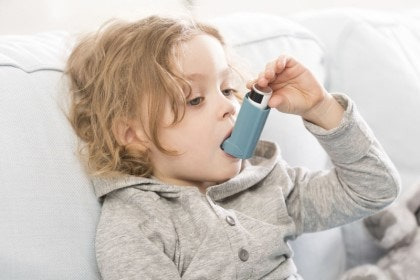
6-3. Tips for using inhalers and spacers correctly
Proper inhaler technique is crucial in pediatric asthma treatment.
- If your child isn’t inhaling correctly, the medication may not reach their lungs effectively
- A spacer device can make it easier: your child simply breathes in and out normally through it,
and the medicine has time to travel deep into the airways - After using an inhaled steroid, your child should rinse their mouth or brush their teeth
to prevent medication from lingering in the mouth and throat
Learning and practicing the correct technique together with your healthcare provider
can greatly improve how well pediatric asthma treatment works.
7. Five At-Home Tips to Help Prevent and Manage Pediatric Asthma
Medication is important, but daily habits and environment are just as crucial for pediatric asthma prevention and control.
Here are five practical tips you can start using at home.
7-1. Reduce dust mites by managing bedding and stuffed toys
- Wash pillows and bedding at least once a week
- Warm water (around 50–60°C / 122–140°F) is more effective at killing dust mites
- Limit the number of stuffed animals and cushions in your child’s bed
- Wash them regularly or dry them thoroughly in the sun
- If possible, use allergy-proof covers on mattresses and pillows
7-2. Keep indoor air, temperature, and humidity in a healthy range
- Open windows 2–3 times a day for at least 10 minutes to ventilate your home
- Even in winter, short and frequent ventilation is better than none
- Aim for an indoor temperature of about 68–72°F (20–22°C)
and a humidity level around 40–50%
7-3. Make your home a smoke-free zone
- Even if someone smokes on the balcony, smoke and particles can still drift indoors
- Smell and residue on clothes and hair can also irritate sensitive airways
- For pediatric asthma prevention, it’s best to establish a firm rule:
“Our home is a completely smoke-free environment.”
7-4. Don’t stop exercise – help your child move smart
Having pediatric asthma doesn’t mean your child must avoid exercise altogether.
- In fact, regular, moderate physical activity can be beneficial for lung function and overall health
- What you want to avoid is
sudden, intense exertion in cold air, which can trigger symptoms
Guide your child to follow this pattern:
- Warm-up slowly
- Gradually increase intensity
- Cool down and stretch afterwards
If needed, talk with your child’s doctor about whether using a reliever inhaler before exercise is appropriate.
7-5. Prepare ahead for cold and flu season
- Vaccinations such as the flu shot and COVID-19 vaccine can help lower the risk of respiratory infections
- If your child tends to have asthma flare-ups every time they catch a cold,
discuss a seasonal management plan with your doctor in advance
Having a clear plan can reduce anxiety for both you and your child
when the “cold season” arrives.
8. Key Takeaways and a Final Message to Parents
Let’s quickly recap the main points:
- Pediatric asthma is a condition where inflammation in the airways causes repeated coughing, wheezing, and shortness of breath
- Key pediatric asthma symptoms include:
- Cough lasting longer than 3 weeks
- Cough worse at night or early morning
- Wheezing when breathing out
- Getting short of breath after exercise
- Major pediatric asthma causes and triggers are:
- An allergic constitution
- House dust mites, mold, and pet dander
- Environmental factors like fine dust and cigarette smoke
- Pediatric asthma tests typically involve:
- A detailed symptom history
- Lung function tests (when age-appropriate)
- Allergy testing and sometimes chest X-rays
These are combined to reach a pediatric asthma diagnosis.
- Pediatric asthma treatment is based on:
- Controller medications (such as inhaled corticosteroids) to control airway inflammation
- Reliever medications for acute symptoms
used together under medical supervision
- For pediatric asthma prevention and control,
daily environmental and lifestyle management is essential:- Bedding and stuffed toy care
- Clean indoor air and right humidity
- A strict smoke-free home
- Smart, adjusted exercise
- Planning ahead for cold and flu season
Hearing the words “pediatric asthma” for the first time can feel heavy and frightening.
That reaction is completely understandable.
But it’s worth remembering this:
With early diagnosis and consistent management, most children with asthma can lead full, active, and happy lives.
Take a little time to observe:
- When your child’s coughing and wheezing get worse
- What situations or environments seem to trigger symptoms
- What makes them feel more comfortable
Then, work together with a trusted pediatrician or pediatric lung/allergy specialist to create
a personalized pediatric asthma management plan for your child.
When you understand pediatric asthma causes, symptoms, tests, treatment, and prevention as one connected story,
it becomes much easier to:
- Ask the right questions at the doctor’s office
- Make better decisions at home
- And most importantly, help your child breathe easier and live more comfortably every day.






최근댓글