
1. “Every time they catch a cold, the ear hurts” — Why are ear infections so common in kids?
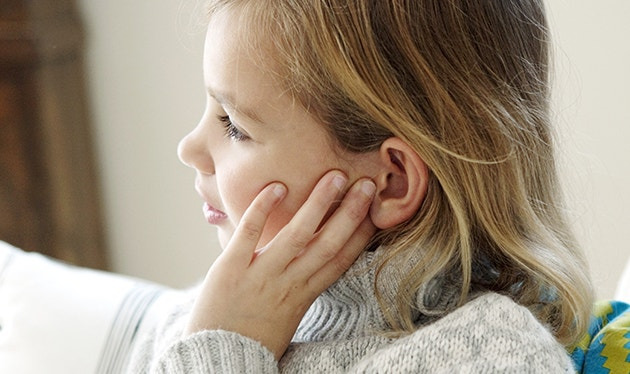
“Every time my child gets a cold, they end up grabbing their ear and crying.”
“They wake up in the middle of the night screaming, ‘My ear hurts!’ and nobody in the house can sleep.”
If you’re raising a young child, this may sound very familiar.
Ear infections in children (pediatric otitis media) are extremely common. Many kids have at least one episode of an ear infection before their second birthday.
A pediatric ear infection isn’t just:
- “A little inflammation in the ear,”
but more often - An infection and fluid buildup in the middle ear that happens after a cold or upper respiratory infection,
- And if not treated or monitored properly, it can affect hearing and even speech and language development.
The good news is, you don’t need to panic.
Studies from the past few years show that a large number of pediatric ear infections get better with proper pain control and watchful waiting alone, and antibiotics are reserved for situations where they are truly needed.
In this article, we’ll walk through the key questions most parents have:
- What exactly causes ear infections in children?
- Which symptoms should make you suspect an ear infection?
- What kind of tests and treatments are used?
- And most importantly, how can you prevent ear infections or keep them from coming back?
Let’s go through it step by step.
2. What is an ear infection in children?
A middle ear infection that often follows a cold
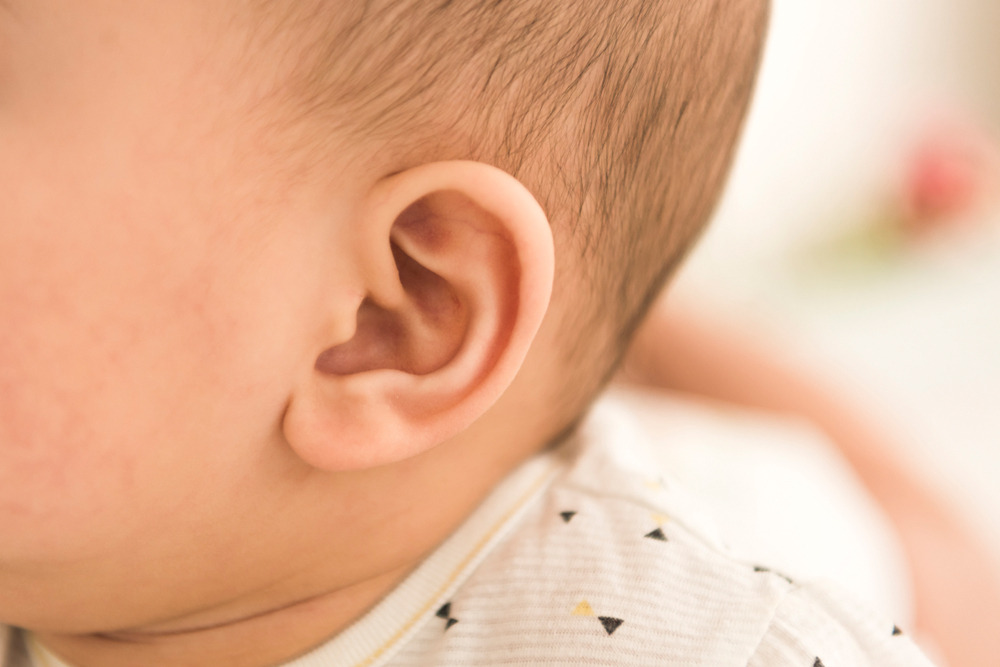
A pediatric ear infection is simply an ear infection that occurs in children, most commonly a middle ear infection, also called acute otitis media.
To understand it more easily, let’s look at the basic ear structure:
- Outer ear – the part you see, plus the ear canal
- Eardrum (tympanic membrane)
- Middle ear – an air-filled space behind the eardrum with tiny hearing bones
- Inner ear – deeper structures involved in hearing and balance
The middle ear should normally be filled with air.
When fluid, pus, or inflammation builds up here, we get a middle ear infection.
In kids, the most common form is acute otitis media, which usually looks like this:
- Ear pain comes on suddenly
- Fever may develop
- The child becomes very fussy or cries more than usual
Another important structure is the Eustachian tube — a small canal that connects the middle ear to the back of the nose and throat.
- When your child has a cold, flu, or allergies, the Eustachian tube can get swollen and blocked.
- Germs and fluid can then get trapped in the middle ear.
- This trapped fluid becomes the perfect environment for viruses or bacteria to multiply, leading to an ear infection.
You can think of it as a chain reaction:
Cold or stuffy nose → inflammation in the nose/throat → Eustachian tube gets blocked → fluid and pus build up behind the eardrum → ear infection (acute otitis media)
Keeping this simple flow in mind already helps a lot in understanding why ear infections tend to show up right after a cold.
3. Why do some kids get ear infections more often?
Key causes and risk factors
1) Frequent colds and nasal infections
The number one cause of ear infections in children is upper respiratory infections — colds, flu, and runny noses.
When kids start daycare or preschool, they:
- Share toys,
- Put their hands in their mouths,
- Cough and sneeze near each other,
which means viruses and bacteria spread very easily. The more often your child catches a cold, the higher their risk of a pediatric ear infection.
2) The way children’s ears are built
Kids are not just “small adults.” Their anatomy is different.
- Their Eustachian tubes are shorter,
- More horizontal,
- And more likely to get blocked than in adults.
So even a “simple” stuffy nose can quickly spread to the middle ear.
This is a big reason ear infections are much more common in children than in adults.
3) Lifestyle and environmental factors
Certain everyday factors can also increase the risk of ear infections and ear inflammation in children:
- Secondhand smoke
- Cigarette smoke irritates the lining of the nose and Eustachian tubes.
- Kids who are around smoke more often have a higher risk of repeated ear infections.
- Lying flat with a bottle
- When a baby drinks from a bottle while lying down, milk or formula can flow toward the Eustachian tubes more easily, making infections more likely.
- Allergic rhinitis and enlarged adenoids
- Allergies and enlarged adenoids (tissue at the back of the nose) can cause chronic nasal congestion.
- Constant stuffiness can keep the Eustachian tube blocked, leading to repeated infections.
- Age (especially 6 months to 2 years)
- Kids in this age group have developing immune systems and are exposed to more germs, so they naturally have a higher risk of ear infections in early childhood.
4) Breastfeeding and a possible protective effect
Several studies suggest that breastfeeding in early life may reduce the risk of ear infections in children to some degree.
It isn’t a perfect shield, but when possible, breastfeeding can offer some protection against infections, including pediatric ear infections.

4. Symptoms of ear infections in children
How they look different by age
The symptoms of an ear infection can look very different depending on whether your child can talk and explain what they feel.
1) Early signs in babies and toddlers who can’t express pain clearly
Babies and young toddlers can’t say “My ear hurts,” so you need to watch for changes in behavior:
- They are much more fussy or clingy than usual, especially at night.
- They keep grabbing or rubbing one ear, or rubbing their head on the pillow.
- They start feeding but then pull away from the breast or bottle and cry.
- They have a fever, often with a runny nose, cough, or other cold symptoms.
- They suddenly wake up from sleep crying and reach for their ear or the side of their head.
If several of these are happening together, it’s worth considering a possible early ear infection.
2) Symptoms in older children who can talk
Older kids usually tell you more directly:
- “My ear hurts,” “It feels like something is stuck in my ear,” or
“My ear feels full or plugged.” - They want the TV volume turned up higher than usual.
- They don’t respond right away when you call from another room.
- They complain of fever, headache, or just feeling really tired and off.
3) No pain, but not hearing well — fluid in the ear (otitis media with effusion)
Sometimes after an ear infection or even just after a bad cold, fluid remains trapped behind the eardrum for weeks or months.
This is called otitis media with effusion.
In this case, there may be:
- No obvious ear pain,
- No fever,
but hearing can gradually become reduced, which is easy to miss at first.
Look out for signs like:
- Your child keeps turning up the TV or sits very close to it.
- They don’t respond unless you’re right in front of them.
- Their speech seems delayed compared with peers, or their pronunciation sounds unclear.
- They often say “What?” or “Huh?” and repeatedly ask you to repeat things.
If this pattern continues, it’s a good idea to ask your doctor about hearing tests and a middle ear check.
5. How are ear infections diagnosed in children?
When is it time to see a doctor?
You can’t reliably diagnose an ear infection just by looking at your child’s face or outer ear.
A proper diagnosis of pediatric otitis media requires a doctor to look directly at the eardrum using a lighted instrument.
1) Common tests your doctor might use
- Otoscopy (ear exam)
- The doctor looks into the ear canal to see the eardrum.
- In an ear infection, the eardrum may look red, bulging, or cloudy, and fluid or pus may be visible behind it.
- Tympanometry (eardrum movement test)
- This test measures how well the eardrum moves when air pressure changes.
- If there’s fluid trapped in the middle ear, the eardrum doesn’t move normally.
- Hearing tests
- Often used if fluid is suspected to have been present for several weeks or months, or if there are concerns about delayed speech or hearing.
- Additional exams when infections are frequent
- If your child has recurrent ear infections, the doctor may also check their nose, throat, tonsils, and adenoids to see if something else is contributing.
2) Red-flag signs — when you should seek medical care right away
Call your pediatrician or go to a clinic/ER promptly if:
- Your child has a fever of 101.3°F (38.5°C) or higher lasting more than 48 hours.
- You notice pus or blood draining from the ear.
- Ear pain is so severe that your child can’t settle down at all, even after pain medicine.
- They have a severe headache, repeated vomiting, or seem unusually drowsy or listless.
- The area behind the ear looks swollen, red, or very tender to the touch.
These can be signs that the infection is more serious or spreading and needs prompt evaluation.

6. Treatment of ear infections in children
When are antibiotics really necessary?
The main goals of treating ear infections in children are:
- To relieve pain and fever, and
- To decide carefully if and when antibiotics are needed.
1) Many ear infections improve on their own
Recent research suggests that 60–80% of acute ear infections in children improve within 2–3 days without antibiotics, as long as the child is otherwise healthy and the infection is mild.
Because of this, many guidelines now recommend:
- For older children (generally 2 years and up)
- With mild symptoms (no high fever, manageable pain)
→ It is often safe to use “watchful waiting” for 48–72 hours, focusing on pain control first and only adding antibiotics if the child does not improve.
2) When antibiotics are usually recommended
Antibiotics can be very helpful and are generally recommended when:
- A baby under 6 months has a confirmed ear infection.
- A child between 6 and 23 months has:
- Ear infections in both ears, or
- High fever and significant ear pain.
- A child of any age has:
- Ear discharge (pus or fluid leaking from the ear), or
- No improvement in pain or fever after 2–3 days of watchful waiting.
The type and duration of antibiotics depend on the child’s age, weight, allergy history, and severity of the infection.
In many cases, a short course (about 5–10 days) is used, but the exact plan should always follow your doctor’s advice.
3) Pain control comes first
For a child, the most distressing part of an ear infection is often the pain, not whether they are taking an antibiotic.
- Your pediatrician may recommend child-appropriate doses of acetaminophen or ibuprofen.
- When given at the right dose and at regular intervals, pain usually improves significantly over the first 2–3 days.
In addition:
- Offer plenty of fluids, such as water, warm herbal teas appropriate for kids, or diluted juice.
- Comfort them with cuddles, calm talk, and a quiet environment, as emotional reassurance can make a big difference when they’re in pain.
7. Everyday habits that help prevent ear infections in children
Nothing can guarantee that your child will never get an ear infection.
But these simple day-to-day habits can significantly reduce the risk and help prevent recurrences.
1) Handwashing and cold prevention
- Encourage handwashing for at least 20–30 seconds after coming home, before meals, and after using the bathroom.
- Fewer colds often mean fewer ear infections, since most pediatric ear infections follow a respiratory illness.
2) Keep your home and car smoke-free
Secondhand smoke:
- Irritates the lining of the nose and Eustachian tubes,
- Interferes with normal drainage,
- And is a well-known risk factor for repeated ear infections.
The best policy is no smoking at all in the home or car.
3) Check feeding and bottle habits
To help reduce the risk of milk or formula reaching the Eustachian tubes:
- Try not to let your baby drink from a bottle while lying flat for long periods.
- Feed in a slightly upright position whenever possible.
- If they fall asleep with the bottle, gently remove it from their mouth.
4) Keep up with recommended vaccinations
Vaccines such as the pneumococcal and flu (influenza) vaccines can:
- Lower the risk of those specific infections, and
- Indirectly reduce the risk of ear infections that often follow them.
It’s worth reviewing your child’s immunization schedule with your healthcare provider.
5) Consider breastfeeding and allergy management
- When possible, breastfeeding in early life may help lower the risk of ear infections.
- If your child deals with allergic rhinitis or enlarged adenoids, regular follow-up and proper treatment can reduce nasal congestion and lower the chance of recurrent ear infections.
8. A parent’s perspective & quick recap
When your child wakes up at midnight screaming with ear pain, it’s completely natural for your heart to race and your mind to jump to the worst-case scenario.
“Is this just part of a cold, or is it a serious ear infection?”
“Do we need to go to the doctor right now, or can we wait and see?”
Here’s a quick recap to keep in mind:
- Ear infections in children are very common, but
with proper pain management and monitoring, most kids recover well. - The main cause of pediatric ear infections is a cold or nasal infection, combined with the way children’s ears and Eustachian tubes are built.
- Symptoms look different by age:
- Babies: fussiness, ear-pulling, feeding difficulties, poor sleep.
- Older kids: clear complaints of ear pain, turning up the TV, not responding to normal voice levels.
- If you suspect an infection, the safest approach is to let a pediatrician or ENT (ear, nose, and throat specialist) look at your child’s eardrum and confirm the diagnosis.
- Treatment focuses on pain relief first.
Antibiotics are used selectively based on age, severity, and how the child responds over the first couple of days. - Simple daily habits — handwashing, a smoke-free home, proper feeding posture, staying up to date with vaccines, and managing allergies — all play a big role in preventing ear infections and reducing recurrences.
Your child’s ear health is closely tied to their hearing, speech, learning, and overall development.
By understanding how ear infections happen and what you can do at home, you’re already taking an important step toward protecting your child’s long-term health.
Important note
This article is for general information and education only.
It is not a substitute for medical advice, diagnosis, or treatment.
If your child has ear pain, fever, changes in hearing, or any symptoms that worry you,
please consult a licensed healthcare provider or pediatrician for a thorough evaluation and personalized care.






최근댓글