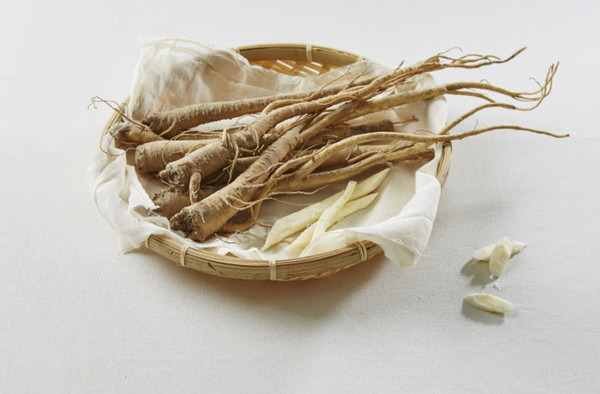
“Does Balloon Flower Root Really Help With Coughs and Sore Throats?”
Every time the season changes, many people struggle with throat irritation or a lingering cough — and that’s when Platycodon grandiflorus, better known as balloon flower root (doraji in Korean), often comes to mind.
While it has long been used in traditional remedies, recent scientific studies have begun to explore its bioactive compounds, especially platycodin saponins, which may play a key role in its health benefits.
Recent reviews and laboratory studies suggest that these saponins have anti-inflammatory, expectorant, and immune-modulating properties. Some Korean researchers even reported that platycodin D might interfere with coronavirus cell entry — though this finding remains preliminary and not clinically confirmed.
In short, balloon flower root shows promise, but its effects should be viewed as potential support, not as a proven medical treatment.
1. Key Nutrients and Compounds in Balloon Flower Root
Balloon flower root contains a rich mix of saponins (especially platycodin D), flavonoids, and polysaccharides. These compounds are being studied for their roles in inflammation control, mucus clearance, and immune regulation.
Nutritionally, balloon flower root is high in dietary fiber and carbohydrates, with moderate levels of protein and essential minerals. According to Korea’s national food-composition database, 100 g of raw balloon flower root provides about 74 kcal, and the fiber content is notably high — making it a good digestive support food.
2. Science-Backed Benefits of Balloon Flower Root
① Respiratory and Bronchial Health
Animal studies show that balloon flower root extract can reduce airway inflammation and suppress inflammatory cytokines such as TNF-α, IL-1β, and IL-6. These findings align with its traditional use as a natural expectorant and throat-soothing herb.
Some experimental data also suggest that platycodin D may block viral entry into cells — though again, this is based on lab work, not human trials.
② Immune Support
In studies using fermented or hydrolyzed balloon flower extract, immune-suppressed animal models showed improved immune-cell activity and antibody production. More human research is needed, but the early data suggest immune-balancing potential.
③ Metabolic and Weight-Related Effects
A 2019 human trial with overweight participants found that a standardized balloon flower extract helped reduce abdominal fat markers. A 2024 systematic review further supported its possible metabolic-regulating properties, though effects vary by product and dosage.
④ Brain and Nerve Protection
Emerging research from 2024–2025 indicates that balloon flower saponins may help protect brain cells from oxidative and inflammatory damage in early Alzheimer’s-related models. These are preliminary laboratory results but hint at neuroprotective possibilities worth following.
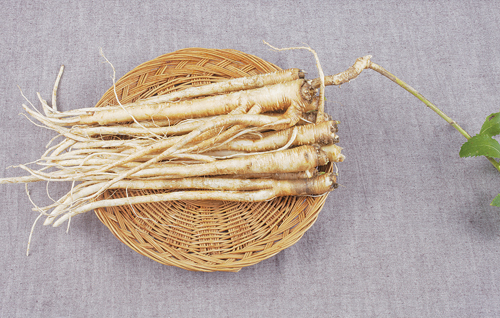
3. How to Take Balloon Flower Root (Daily Guide & Recipes)
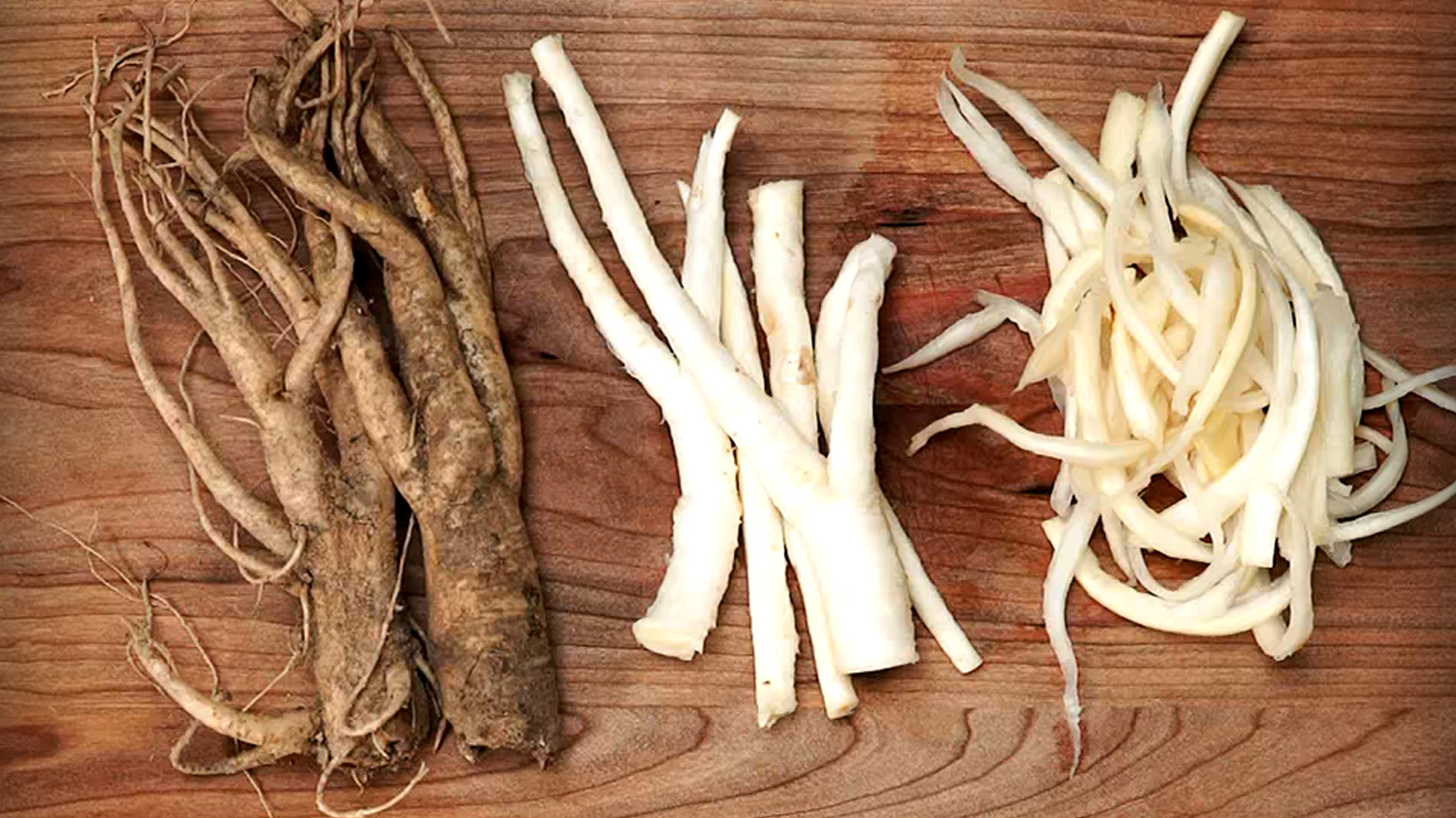
Forms: Fresh, pickled, stir-fried, brewed as tea, made into syrup (doraji cheong), powdered, or juiced.
If you’re new to it, start small and increase gradually, since large doses can upset the stomach.
Suggested Daily Intake (General Food Use)
- Stir-fried or seasoned root: 60 – 80 g per serving, 2–3 times a week.
High in fiber — helps satiety and bowel regularity. - Balloon flower tea: 10 – 15 g root + 300–500 ml water, simmer 10–20 min. Begin with one cup per day.
- Balloon flower syrup (cheong): Use sparingly if you monitor blood sugar; it may help ease dry coughs when dissolved in warm water.
- Powder or extract supplements: Follow label dosage and check for possible interactions if you’re taking other medications.
4. Possible Side Effects and Precautions
- Digestive issues: High saponin content can cause heartburn, bloating, or diarrhea in large amounts. Start low and adjust.
- Allergic reactions: Stop immediately if you experience itching, rashes, or breathing discomfort.
- Low blood pressure: Some reports suggest it may lower blood pressure; use caution if you already have low BP.
- Pregnancy and breastfeeding: Safety data are limited — consult your health provider.
- Drug interactions: May interfere with blood-thinners or diabetes medications. Discuss with your doctor before combining.
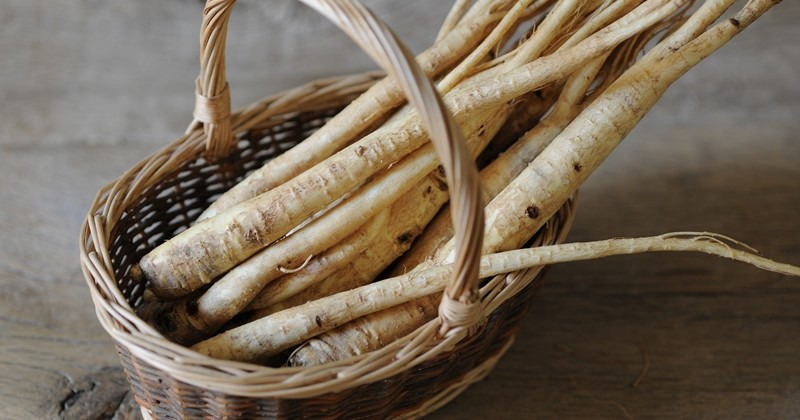
5. Balloon Flower vs. Similar Roots
- Balloon Flower (Platycodon grandiflorus): Rich in saponins and polysaccharides; well-researched for anti-inflammatory and respiratory benefits.
- Deodeok (Codonopsis lanceolata): Similar taste and texture but less studied for respiratory effects.
For throat and bronchial support, balloon flower root remains the better-documented choice.
6. Five Easy Ways to Add Balloon Flower Root to Your Routine
- Morning warm tea: Drink one cup of mild balloon flower tea to soothe dryness and support airway comfort.
- Lunch side dish: Enjoy a small plate of seasoned balloon flower root for extra fiber and better digestion.
- “3-3-3 rule” for seasonal care: For three weeks, drink it three times a week, one cup per serving to build a habit.
- Check labels on processed products: Look for standardized platycodin content and low added sugar.
- Post-workout ritual: Sip a warm cup after exercise to ease throat irritation and stay hydrated.
7. Frequently Asked Questions
Q 1. Can balloon flower syrup alone cure a cold?
No. It’s a supportive food, not a medicine. For high fever or severe symptoms, see a doctor.
Q 2. Which form is best?
It depends on your digestive tolerance and sugar needs. Tea or lightly cooked root is gentler on the stomach; avoid sweet syrups if you’re watching blood sugar.
Q 3. Is its antiviral effect proven?
Not yet. Lab data are encouraging, but there are no large human clinical trials.
Q 4. Does it help with weight loss?
Some studies show potential fat-reduction effects, but results vary by extract and dosage. Consistency and overall diet matter most.
8. Quality Matters: How Farming Affects Potency
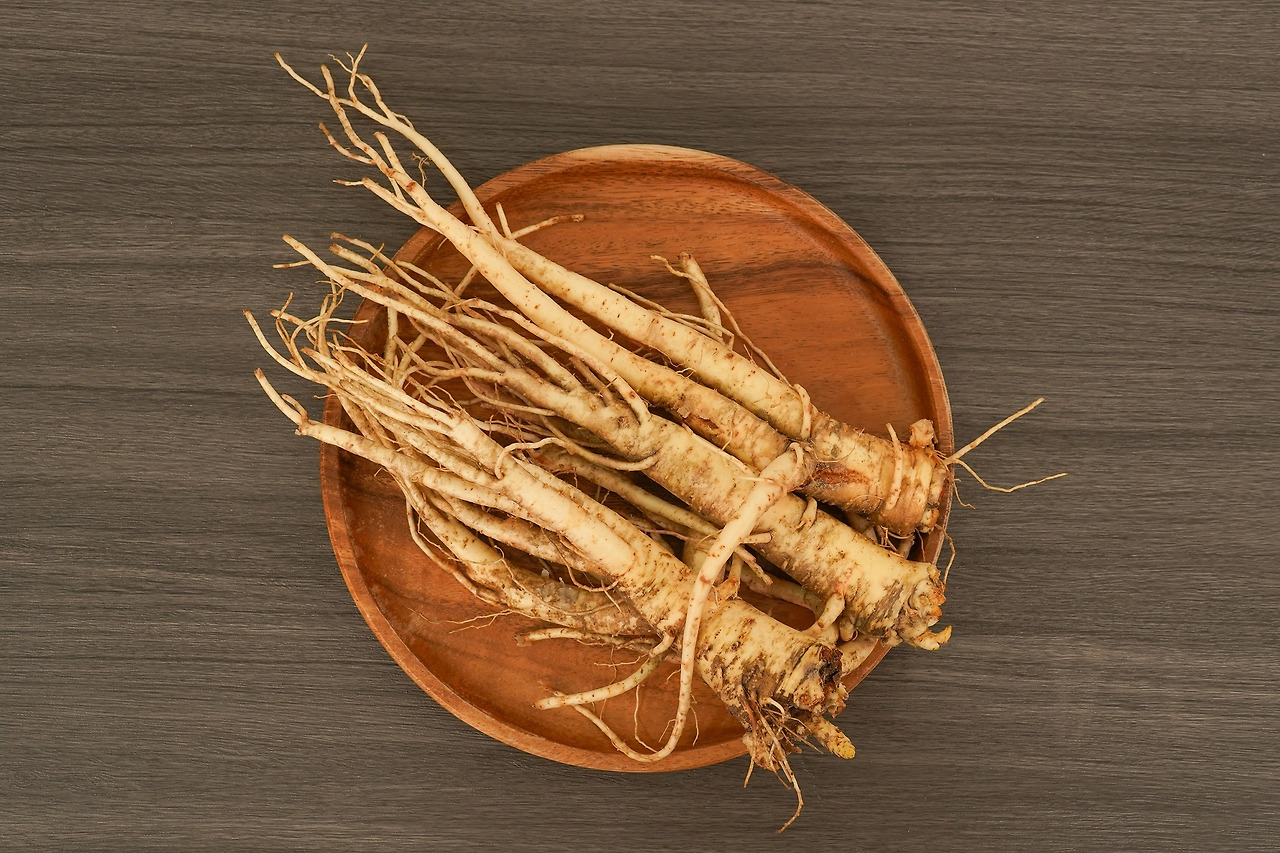
Soil type, harvest timing, and fertilizer use can all influence saponin levels. When buying balloon flower products, choose brands that disclose their farming region and testing data for platycodin content.
9. Quick Summary and Final Tips
- Benefits: Anti-inflammatory, expectorant, and immune-supporting potential — but limited human data.
- How to use: Start small, increase gradually, try tea or side dishes.
- Side effects: Digestive discomfort, possible allergy or BP drop in sensitive individuals.
- Practical tips: 1 cup of tea in the morning, small serving at lunch, follow the 3-3-3 rule, check labels, stay hydrated.
Disclaimer: This information is for educational purposes only and should not replace professional medical advice. If you have persistent symptoms or a chronic condition, consult your healthcare provider.






최근댓글