Have you been feeling constantly tired or catching colds more often than usual?
You might have heard a friend or family member say, “You should try red ginseng — it boosts immunity and helps with fatigue.”
But does red ginseng really work? And what does science actually say about it?
In this article, we’ll break down the proven health benefits, potential side effects, and practical tips on how to choose and take red ginseng effectively — all backed by recent clinical research.
1. What Is Red Ginseng? — How It Differs from Regular Ginseng
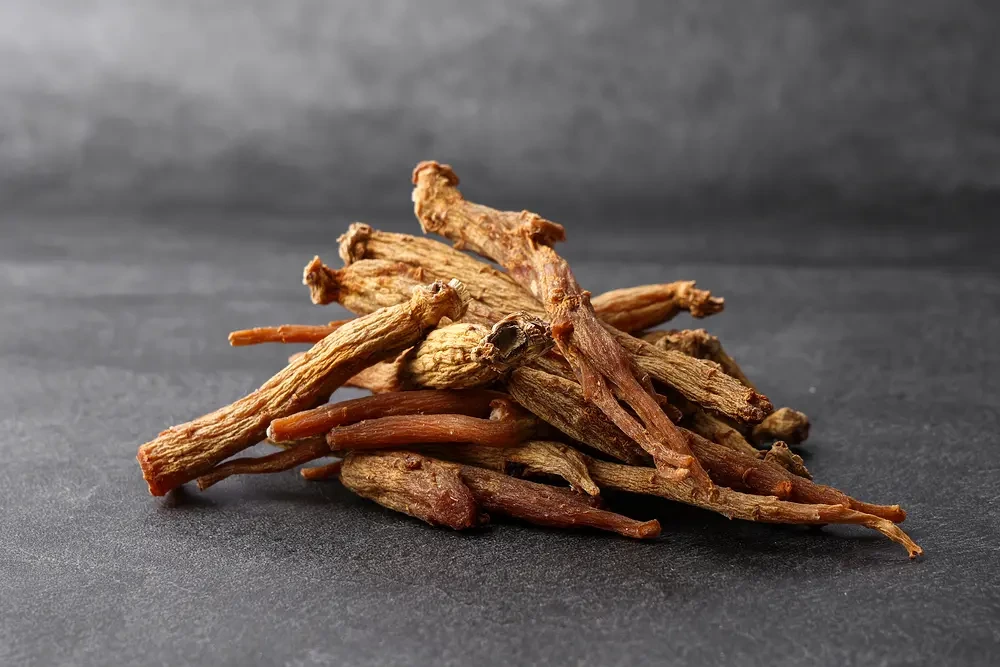
Red ginseng is made by steaming and drying fresh ginseng roots, a process that changes both the color and chemical composition of the plant.
This transformation increases the bioavailability of certain active compounds, particularly ginsenosides, which are believed to be responsible for most of ginseng’s health effects.
You can find red ginseng in various forms — extracts, powders, capsules, or even jelly sticks.
Each form offers different convenience, absorption rates, and storage requirements.
💡 Tip: Always check the product label for its ginsenoside content and raw material source before buying.
2. Key Health Benefits — Backed by Clinical Research
2.1. Immune Support
Several clinical trials have shown that people who took red ginseng had improved immune markers, such as higher levels of IgA and better overall immune scores.
Recent randomized, double-blind studies suggest that red ginseng may help strengthen the body’s natural defenses and enhance general well-being.
2.2. Fatigue and Energy Recovery
Research indicates that red ginseng can help reduce fatigue and improve endurance in adults experiencing chronic tiredness.
While results vary among individuals, most studies agree on its potential to reduce feelings of exhaustion and enhance daily vitality.
2.3. Blood Sugar and Metabolic Health
Studies involving prediabetic adults have found that red ginseng extract may support blood sugar regulation.
However, results are not entirely consistent across all studies — suggesting that while helpful, red ginseng should not replace prescribed treatment for blood sugar management.
2.4. Cognitive and Memory Function
A 2024 placebo-controlled study found that red ginseng supplementation improved subjective memory and cognitive performance in adults.
Still, researchers note that long-term effects and age-specific outcomes need further investigation.
3. Side Effects and Precautions — When to Be Careful
For most healthy adults, red ginseng is considered safe when taken in recommended amounts.
However, some people should be cautious:
- Those with high blood pressure, heart disease, or bleeding disorders
- People taking blood thinners or blood pressure medications
- Individuals who are pregnant or breastfeeding, due to insufficient safety data
Possible mild side effects include insomnia, digestive discomfort, or allergic reactions.
If you’re new to red ginseng, start with a small dose and monitor how your body responds.

4. How to Choose and Take Red Ginseng (Practical Guide)
1️⃣ Check the Label:
Look for clear labeling of ginsenoside content (mg or %). Transparency is key to quality.
2️⃣ Choose the Right Form:
- Concentrated extracts or tonics — great for daily supplementation.
- Capsules or tablets — ideal for busy mornings or travel.
- Jelly sticks or drinks — convenient and easy to carry.
3️⃣ Follow Recommended Dosage:
Stick to the dosage on the product label. Overconsumption won’t bring faster results — it only increases side effect risks.
4️⃣ Best Time to Take It:
Morning or after lunch works best for boosting energy. Avoid taking it late in the evening if you’re sensitive to caffeine or prone to insomnia.
5️⃣ Duration of Use:
Most studies observed benefits after at least 4 weeks of consistent use. Review your progress monthly.
5. Practical Daily Tips for Better Results
- Start small — For the first week, take half the recommended dose to test your body’s tolerance.
- Be consistent — Take it at the same time each day for steady results.
- Keep a medication log — If you’re on prescriptions, list them out and show your doctor to avoid interactions.
- Take it after meals — Especially if you have a sensitive stomach.
- Pair with healthy habits — Adequate sleep, balanced meals, and light exercise amplify red ginseng’s effects.
6. Frequently Asked Questions
Q. Can anyone take red ginseng?
Most adults can safely take it, but those on medication, pregnant, or breastfeeding should consult their doctor first.
Q. How long before I notice results?
It varies. Clinical studies typically observe benefits after 4–8 weeks of consistent use.
Q. How is red ginseng different from white or fresh ginseng?
Red ginseng is steamed and dried, altering its ginsenoside composition — making it more potent and longer-lasting.

Key Takeaways & Final Thoughts
- Core Insight: Red ginseng may help with immune support, fatigue, and overall vitality, but results differ from person to person.
- Smart Practice: Always check the ingredient label, dosage, and product type. Start with small doses and monitor your response.
- Safety First: Pregnant women, nursing mothers, and people taking prescription drugs should seek medical advice before use.
Consistency and moderation matter more than taking “extra.” Combine red ginseng with healthy routines like balanced nutrition, proper rest, and stress management for lasting benefits.
Disclaimer
This content is intended for informational purposes only and should not replace professional medical advice.
Consult your healthcare provider before starting any new supplement, especially if you have underlying health conditions or take prescription medications.






최근댓글