
“Always tired and sleeping poorly—could a handful of jujube help?”
One of the most common complaints at clinics is, “I’m exhausted all day and can’t sleep well at night.” Jujube has long been used for fatigue recovery and better sleep. In recent years, growing clinical and preclinical research has begun to clarify why. Reviews and human studies suggest that Ziziphus jujuba may support antioxidant and anti-inflammatory activity, lipid metabolism, blood sugar and liver markers, and sleep quality.
This article follows the structure readers search for—benefits, how to eat, storage, and precautions—while grounding every claim in recent literature. It’s written to be easy to follow, practical to apply, and optimized for search with natural keyword placement such as jujube benefits, how to eat jujube, jujube immunity, and how to choose jujube.
1) Jujube Nutrition at a Glance: Why it’s called a “Vitamin-C fruit”
- Per 100 g fresh jujube: about 79 kcal and roughly 69 mg of vitamin C (values vary by variety and ripeness). It’s naturally low in fat.
- Small amounts of polyphenols and flavonoids (e.g., rutin) contribute to antioxidant capacity. Some processing/fermentation methods can further increase measured antioxidant activity.
Checkpoint
If you want a lower-calorie, low-fat fruit snack while cutting back on sweets, jujube is a solid pick. Note that dried jujube has less water and a higher sugar density, so portion control matters.
2) What the Evidence Says about Jujube’s Benefits
2-1. Support for lipids, glucose, and liver markers
Recent analyses (2024–2025) suggest jujube intake may favorably influence LDL, triglycerides (TG), and total cholesterol (TC) in certain groups. Some trials in metabolic conditions (dyslipidemia, type 2 diabetes) report signals such as adiponectin increases—pointing to possible support for lipid and glucose regulation. Study sizes and protocols vary, so interpret jujube as a supportive addition, not a standalone therapy.
2-2. Sleep quality
Compounds from jujube seeds (often labeled “Zizyphus/jujube seed” or Suan Zao Ren) have traditionally been used for calming and sleep. A randomized controlled trial in postmenopausal women reported improvements in sleep quality. Animal and basic research also show sedative and stress-reducing signals. Think of it as a sleep hygiene helper, not a prescription sleep aid.
2-3. Antioxidant/anti-inflammatory action and gut microbiome shifts
Jujube extracts show antioxidant and anti-inflammatory effects in experimental settings. A few studies note microbiome changes (e.g., increases in certain beneficial families), which may indirectly relate to gut and metabolic health.
How to read this
- Frame jujube benefits as adjunctive for everyday health.
- Use it as a practical lifestyle tool—not as a replacement for medical treatment or medication.
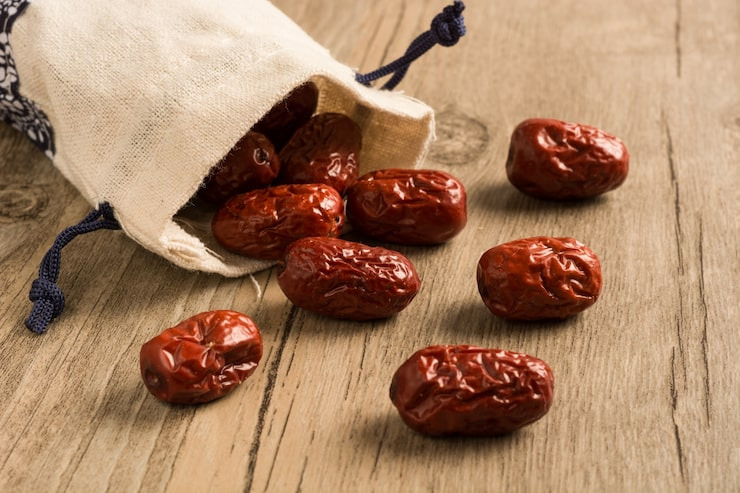
3) How to Eat Jujube: Daily Amount, Timing, and Pairings
Quick-start guide (adults, general wellness)
Daily amount
- Fresh jujube: ~100 g (about 3–5 small/medium fruits).
- Dried jujube: 10–20 g to start, adjusting to your total carb and calorie plan. If you manage blood sugar or weight, start on the lower end.
Best timing
- As a mid-afternoon snack or 2–3 hours before dinner.
- For sleep support, many people enjoy warm jujube tea 1–2 hours before bed. Most human studies for sleep use jujube seed extracts, but a warm ritual can still support nighttime wind-down.
What to pair with
- Combine with protein (a handful of nuts or Greek yogurt) to buffer glucose response.
- For tea, a touch of ginger or cinnamon enhances warmth and flavor (skip if you’re spice-sensitive).
Preparation & processing
- Jujube tea/syrup concentrates sugars—watch serving size (e.g., 150–200 ml per serving; dilute syrups).
- Add thinly sliced, pitted jujube to oatmeal, salads, steamed dishes, or broths for an easy everyday upgrade.
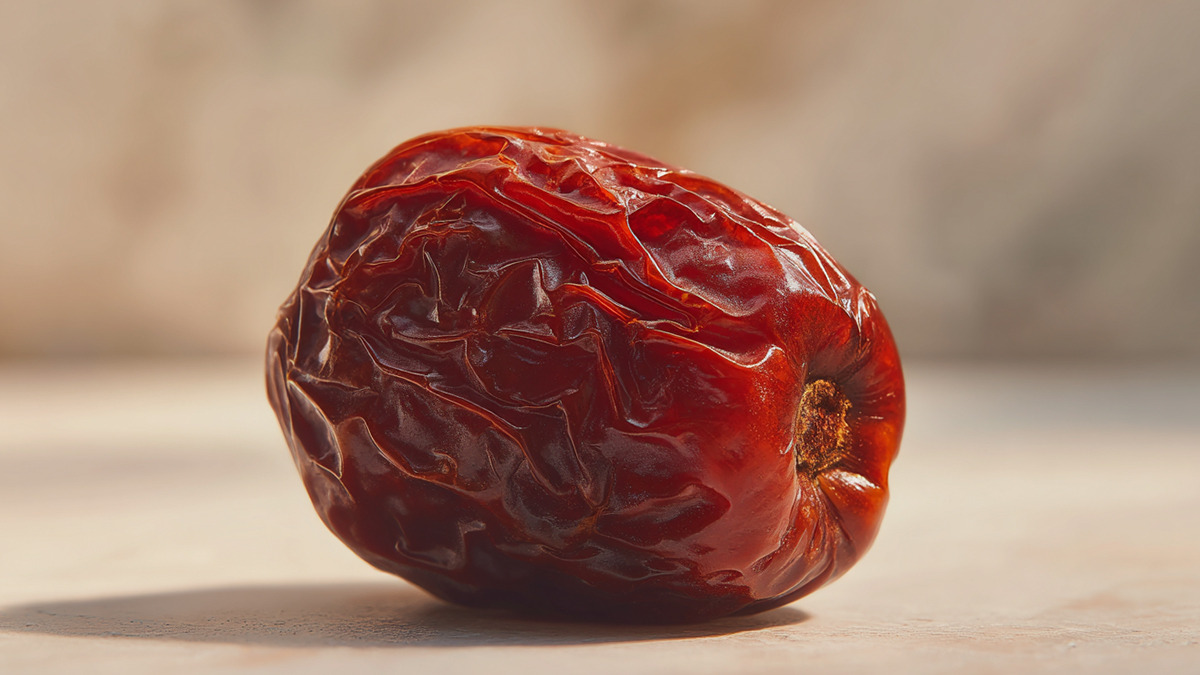
4) How to Choose & Store Jujube (Keep flavor and nutrients intact)
Choosing (market or grocery):
- Fresh: Look for smooth skin, few blemishes, and a springy feel in hand.
- Dried: Prefer uniform color, no excessive stickiness, and plump flesh with a relatively small pit.
Storage:
- Fresh: Airtight container in the fridge for 3–5 days; wash right before eating.
- Dried: Keep airtight in a cool, dry place; for long-term storage, freeze to prevent moisture pickup.
- Avoid heat and direct light to protect sensitive compounds.
5) Who Benefits Most—and Who Should Be Careful
Great for:
- Office workers with frequent fatigue, or anyone seeking a post-workout, fruit-based recovery snack.
- Those wanting a natural vitamin-C boost (focus on fresh jujube).
- People building a bedtime wind-down routine with a warm beverage (jujube tea or products featuring jujube seed).
Cautions & potential side effects:
- Short-term, moderate intake seems generally well tolerated in healthy adults.
- If you’re pregnant, breastfeeding, on medication, or managing conditions (especially diabetes), stick to small portions and discuss your plan with your clinician.
- If you have food allergies or a sensitive stomach, start with a small test amount.
6) 1-Week Action Plan (Make it a habit)
- Mon/Wed/Fri: 3–4 fresh jujubes + a handful of nuts between lunch and dinner.
- Tue/Thu: 150–200 ml warm jujube tea in the evening (unsweetened or lightly diluted).
- Weekend brunch: Oatmeal topped with thinly sliced jujube + Greek yogurt.
- Sleep routine: 1–2 hours before bed, dim lights/limit screens and sip your warm drink.
- Track it: Note fatigue levels, sleep hours/quality, and—if relevant—post-meal glucose.
7) Quick FAQ
Q1. Fresh vs. dried—what’s better?
- Fresh: higher vitamin C, more water, lower sugar density.
- Dried: convenient for storage/cooking, but denser in sugars—watch portions.
Q2. Will it help me sleep?
- Research on jujube seed extracts shows improvements in sleep quality in some groups. As a food, warm jujube tea fits well into a bedtime routine to support relaxation.
Q3. Can it improve my cholesterol or blood sugar?
- Some recent reviews and trials show encouraging signals for lipids and glucose. Results vary, so use jujube for support, alongside nutrition, exercise, and medical guidance.
8) Key Takeaways & Checklist
- Jujube benefits: antioxidant/anti-inflammatory support, potential help with lipids and glucose, and sleep quality support. Treat it as a lifestyle add-on.
- How to eat jujube: ~100 g fresh or 10–20 g dried; pair with protein; consider warm tea in the evening.
- How to choose/store: prioritize smooth, firm fresh fruit; airtight cold storage for fresh; cool/dry or frozen for dried.
- Caution: mind sugar density and total calories; tailor portions if pregnant, breastfeeding, on meds, or managing conditions.
Medical disclaimer
This article is for educational purposes to help readers understand general health information. For diagnosis and treatment of your specific symptoms or conditions, consult your healthcare professional.






최근댓글