
“Can one ingredient support your heart, gut, and immune system at the dinner table?”
That subtly sweet crunch from a bite of braised lotus root lingers long after the meal. Beyond taste, growing research over the past five years suggests lotus root may support vascular health, balance the gut microbiome, and even relate to iron status. For example, polyphenols and polysaccharides in lotus root have been linked to favorable shifts in gut bacteria and to reductions in oxidative stress and inflammation. A 2024 multi-omics paper reported that lotus root polyphenol fractions (LRPF) may help counter iron-deficiency–induced dysbiosis—highly relevant for modern adults who struggle with fatigue and immune dips. In 2023, food science data showed lotus root polysaccharides (LRP) can bind with polyphenols to enhance functional activity, and 2024 findings suggest fermentation can further improve physical and physiological properties.
This post follows high-ranking blog patterns—clear structure, evidence-based explanations, and practical tips—to deliver everything you need in one read: benefits, how to eat lotus root for best results, quick recipes, storage, and safety notes.
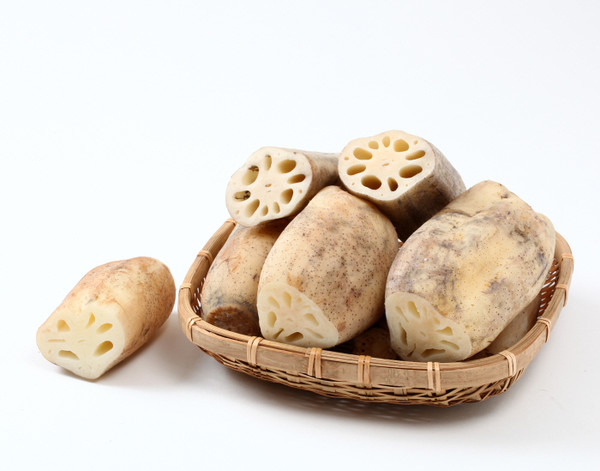
1) Key Nutrients & GI: Why Lotus Root Works for Blood Sugar and Vessels
- Nutritional snapshot (per 100g): ~74 kcal, ~17 g carbs, ~4–5 g fiber, ~556 mg potassium, ~44 mg vitamin C. Potassium, vitamin C, and fiber collectively support blood pressure, oxidative stress, and gut motility.
- Glycemic Index (GI): commonly reported around 33 (low GI). Low-GI foods blunt post-meal spikes, making lotus root a smart fit for weight control and steady energy. Real-world responses vary with cooking style—heavy syrups or sugars can raise the glycemic impact.
Bottom line: The core of lotus root benefits comes from fiber + polyphenols + potassium + low GI—a combo favorable for vascular, glycemic, and gut health.
2) Four Science-Backed Benefits of Lotus Root
2-1. Antioxidant & Anti-Inflammatory Support
Lotus root contains polyphenols (including flavonoids) that help temper reactive oxygen species and downshift inflammatory signaling. A 2024 review summarized anti-inflammatory and antioxidant mechanisms across lotus parts (flower, leaf, root), highlighting potential relevance to chronic inflammatory conditions.
2-2. Gut Microbiome & Metabolic Health
A 2024 multi-omics study linked lotus root polyphenols with improvements in iron-deficiency–driven dysbiosis. For people facing fatigue and immune sensitivity, this gut angle adds a meaningful, practical layer.
2-3. Polysaccharide–Polyphenol “Synergy”
A 2023 paper showed lotus root polysaccharides (LRP) can complex with polyphenols (e.g., gallic acid, EGC), modifying structure and enhancing antioxidant capacity—suggesting the whole is greater than the sum of parts.
2-4. Quality Retention During Prep & Processing
Because lotus root has polyphenol oxidase (PPO) and peroxidase, it browns easily. A 2023 study on minimally processed lotus root discussed browning, quality changes, and acrylamide considerations—underscoring the value of pre-treatment and washing. In 2024, thermosonication washing was reported to better preserve total polyphenols and antioxidant activity. At home, the simplest fix is brief acidification (soaking or blanching in diluted vinegar).
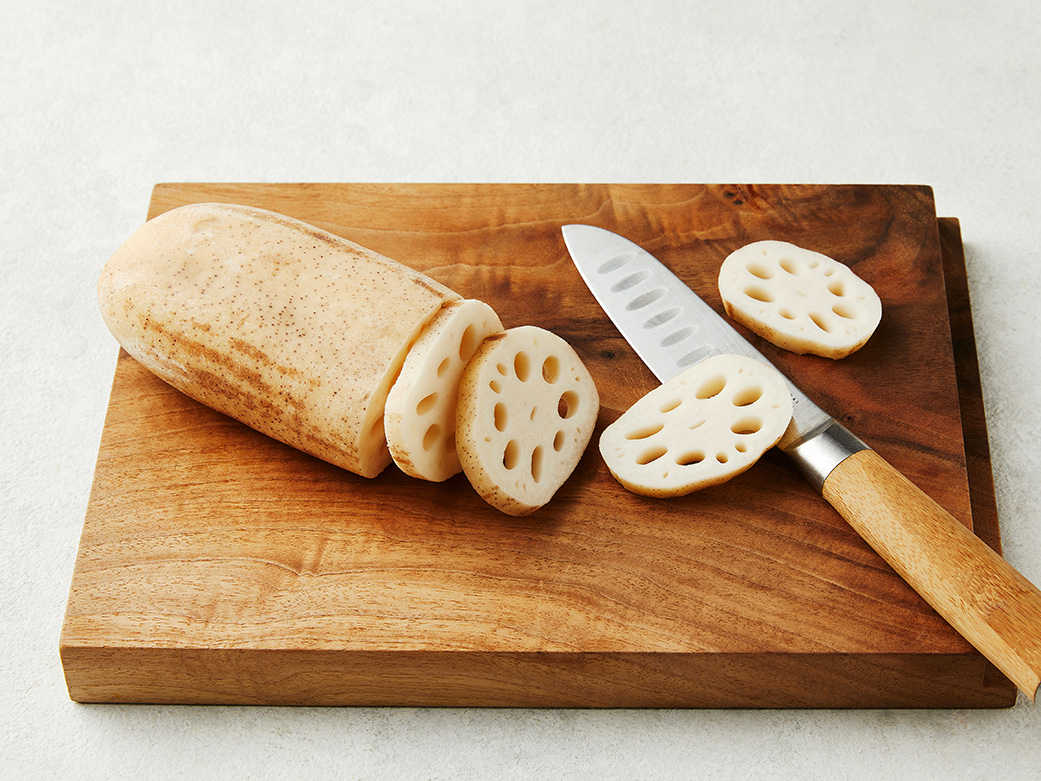
3) How to Eat Lotus Root for Taste and Function: Four Rules
- Slice thin and briefly soak in acidulated water (vinegar + water).
This reduces browning and astringency while keeping that signature crisp bite—a true basic of how to eat lotus root. - Blanch briefly, then cook.
1–2 minutes in boiling water, then chill in ice water to lock in texture. Prolonged heating can increase vitamin C loss. - Go easy on sugars/syrups.
Lotus-root braise tastes great with less sweetness. Keep syrups minimal so the low GI advantage isn’t lost. - Pair fiber with protein.
Serve with tofu, eggs, or chicken breast to boost satiety and help with steadier post-meal blood sugar.
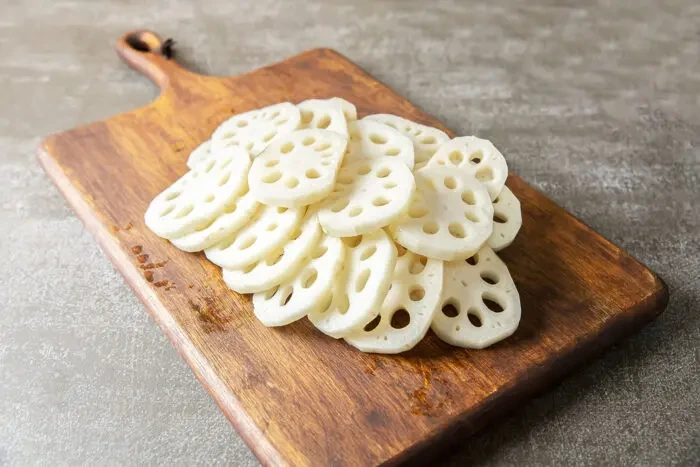
4) 4 Quick Recipes You Can Make Tonight
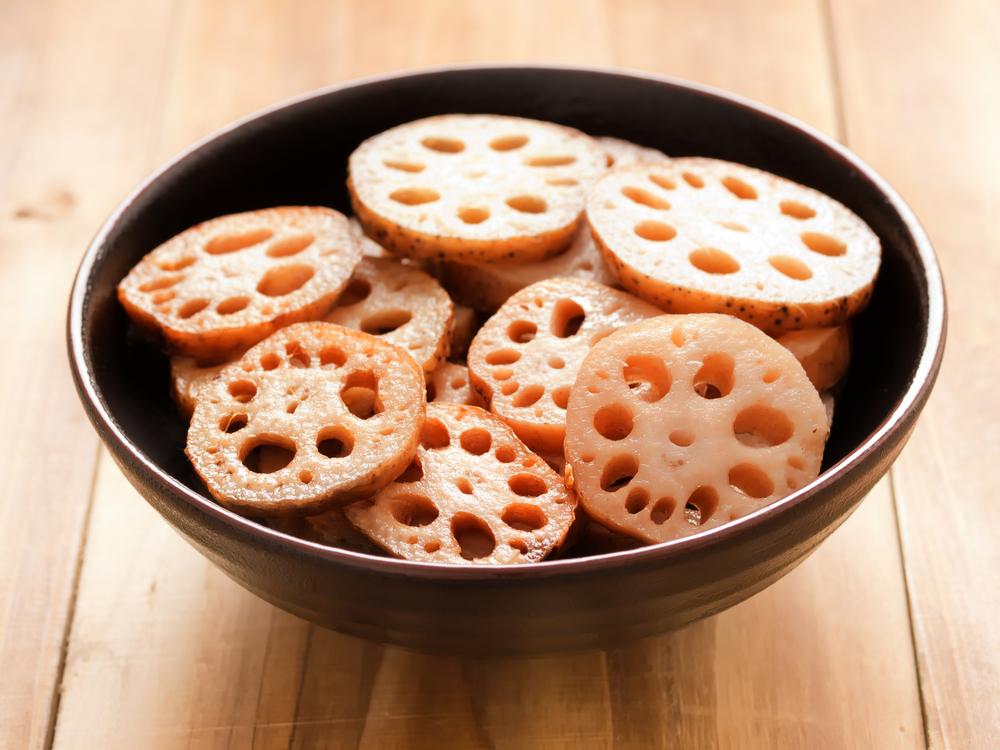
4-1. Classic Braised Lotus Root (Yeongeun Jorim)
- Key move: Quick vinegar-water blanch → simmer with soy sauce + water + a touch of syrup for sheen.
- Pro tip: Reduce sweeteners by ~30%—you’ll keep flavor and the low-GI edge.
4-2. Air-Fryer Lotus Chips
- Thin slices + a light brush of olive oil. 170 °C (338 °F), 10–12 min, flip once.
- A better-for-you snack that preserves much of lotus root’s benefits.
4-3. Lotus Root Fritters (Jeon)
- Mix chopped veggies + egg; pan-fry into 2–3 inch rounds.
- Add onion or chives for natural sweetness and aroma.
4-4. Silky Lotus Root Soup
- Blend blanched lotus root with onion + milk (or soy milk).
- Simmer low and finish with salt and pepper—an easy, light breakfast option.
5) Storage, Hygiene, and Browning Control
- Storage: Whole, unpeeled roots keep 3–5 days refrigerated in a sealed bag. Once prepped, submerge in water and refrigerate 1–2 days, changing the water daily.
- Browning control: Soak 5–10 minutes in 10:1 water:vinegar before cooking.
- Ready-sliced packs: Use immediately after opening. Discard if the surface is overly dark or off-odors are present.
- Safety & quality: Wash thoroughly, blanch, and cool quickly to help preserve color, texture, and antioxidant integrity.
6) Five Practical Tips You Can Use Today
- Breakfast: Lotus root soup + 1 boiled egg → gentle, filling start.
- Lunch: Brown rice + grilled tofu + a small side of braised lotus root. Keep sodium by moderating soy sauce.
- Snack: A small handful of air-fryer lotus chips + plain yogurt.
- Dinner: Add raw-thin lotus slices as a crunchy salad topper with chicken breast.
- Weekly check-in: Track weight and meals once a week to gauge your lotus-root diet routine.
7) Cautions & Side Effects—Who Should Be Careful?
- Excess sugar in braises: Too much syrup cancels the low-GI advantage. Favor a higher soy sauce:water ratio and keep sweeteners modest.
- Sensitive digestion: The fiber is substantial. Start small and chew well if your gut is easily irritated.
- Browning & shelf life: Browning signals quality loss but isn’t automatically unsafe. Oxidation and enzyme activity can diminish nutrition and flavor, so freshness matters.
- Allergies: Rare but possible. First-timers should try small portions.
Medical Notice
This information is intended for educational purposes to help readers understand general health topics. For accurate assessment of symptoms or disease, seek a clinician’s evaluation and care.






최근댓글