Have you ever thought:
“My doctor said my blood sugar is a bit high, but the word diabetes still scares me.”
“I know I should eat better and exercise, but I don’t even know where to start.”
If that sounds like you, this article was written with you in mind.
Diabetes is a chronic condition in which blood sugar remains high due to reduced insulin action or increased insulin resistance. According to recent global studies, its prevalence is rapidly increasing every year.
Whether you’re new to the term “diabetes” or already managing the condition, this guide will help you clearly understand the essentials — from blood sugar management to complication prevention and daily practical steps.
Throughout this article, we’ll naturally weave in the key ideas of diabetes, blood sugar management, diet therapy, exercise therapy, and complication prevention to ensure both clarity and professionalism.
1. What Is Diabetes? Causes and How It Develops
Diabetes is generally divided into Type 1 and Type 2, but the majority of real-world cases are Type 2 diabetes.
In Type 2 diabetes, the body develops insulin resistance (when cells don’t respond properly to insulin) and often also produces less insulin than needed.
Recent research shows that insulin resistance isn’t caused by weight alone — it’s also linked to body-fat distribution, inflammation, and metabolic imbalances involving the liver, kidneys, and fat cells.
Global projections suggest the number of people with diabetes will continue to rise dramatically.
So the goal isn’t simply to ask, “My blood sugar is high — now what?”
It’s to understand “Why did it rise, and how can I manage it effectively?” That’s where successful blood sugar control begins.
2. Early Symptoms and Diagnosis: Could You Have Diabetes?
Common Symptoms
- Frequent thirst or dry mouth
- Urinating often, especially at night
- Unexplained fatigue or weight loss
If any of these sound familiar, it’s worth checking your blood sugar and paying closer attention to blood sugar management.
Diagnosis
Typical diagnostic tools include:
- Fasting blood glucose test
- Two-hour post-meal glucose test
- HbA1c test (average blood sugar over three months)
An HbA1c of 6.5% or higher usually meets the clinical criteria for diabetes.
Once diagnosed, it’s time to center your routine around diabetes management and long-term blood sugar stability.
3. Core Strategies for Blood Sugar Management: Diet, Exercise, and Lifestyle
Diet Therapy
Diet is the foundation of blood sugar control and the first step in preventing complications.
- Avoid refined carbs such as white bread and sugary beverages.
- Focus on low-glycemic index (GI) foods like whole grains, vegetables, and legumes.
- Include lean protein and healthy fats to slow sugar absorption.
A recent study showed that even without weight loss, improving eating habits alone can greatly reduce the risk of developing diabetes.
Think of diet therapy not as a restriction, but as a lifestyle habit — one that reshapes how your body processes energy.
Exercise Therapy
Exercise directly improves insulin resistance.
- Combine aerobic workouts (walking, cycling, swimming) with strength training for best results.
- Studies show exercise can lower HbA1c levels by 0.3–2%.
Regular activity shouldn’t be seen as a bonus — it’s an essential part of effective blood sugar management.
Lifestyle Habits
Healthy routines tie everything together.
- Get enough sleep and manage stress.
- Quit smoking and limit alcohol intake.
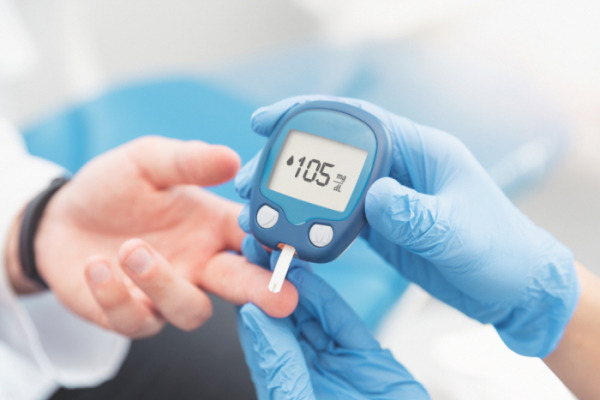
- Check and record your blood sugar regularly.
Consistency over months and years matters far more than short bursts of effort.
4. Preventing and Managing Complications: Protecting Eyes, Kidneys, and Nerves
Diabetes isn’t just about high blood sugar — it affects multiple organs if left unchecked.
The most common complications include:
- Retinopathy (eye damage)
- Nephropathy (kidney disease)
- Neuropathy (nerve damage)
Studies show that people with Type 2 diabetes face a much higher risk of kidney and cardiovascular disease.
That’s why effective care means more than just managing glucose. You also need:
- Regular eye and kidney exams
- Blood pressure and cholesterol control
- Routine lab monitoring for early warning signs
Here, complication prevention is the keyword — because prevention is always easier than treatment.
5. Understanding Medications and Insulin Therapy
When diet and exercise aren’t enough, medications or insulin therapy may be added.
Newer diabetes drugs such as SGLT2 inhibitors and GLP-1 receptor agonists not only lower blood sugar but also protect the heart and kidneys.
The right treatment varies from person to person.
What matters is that you understand why a medication is prescribed, what benefits it offers, and what side effects to watch for.
Discuss openly with your healthcare provider — knowledge and participation make treatment far more effective.
6. Daily Checklist: Practical Diabetes Habits You Can Start Today
From years of health blogging, here are small steps that make a real difference:
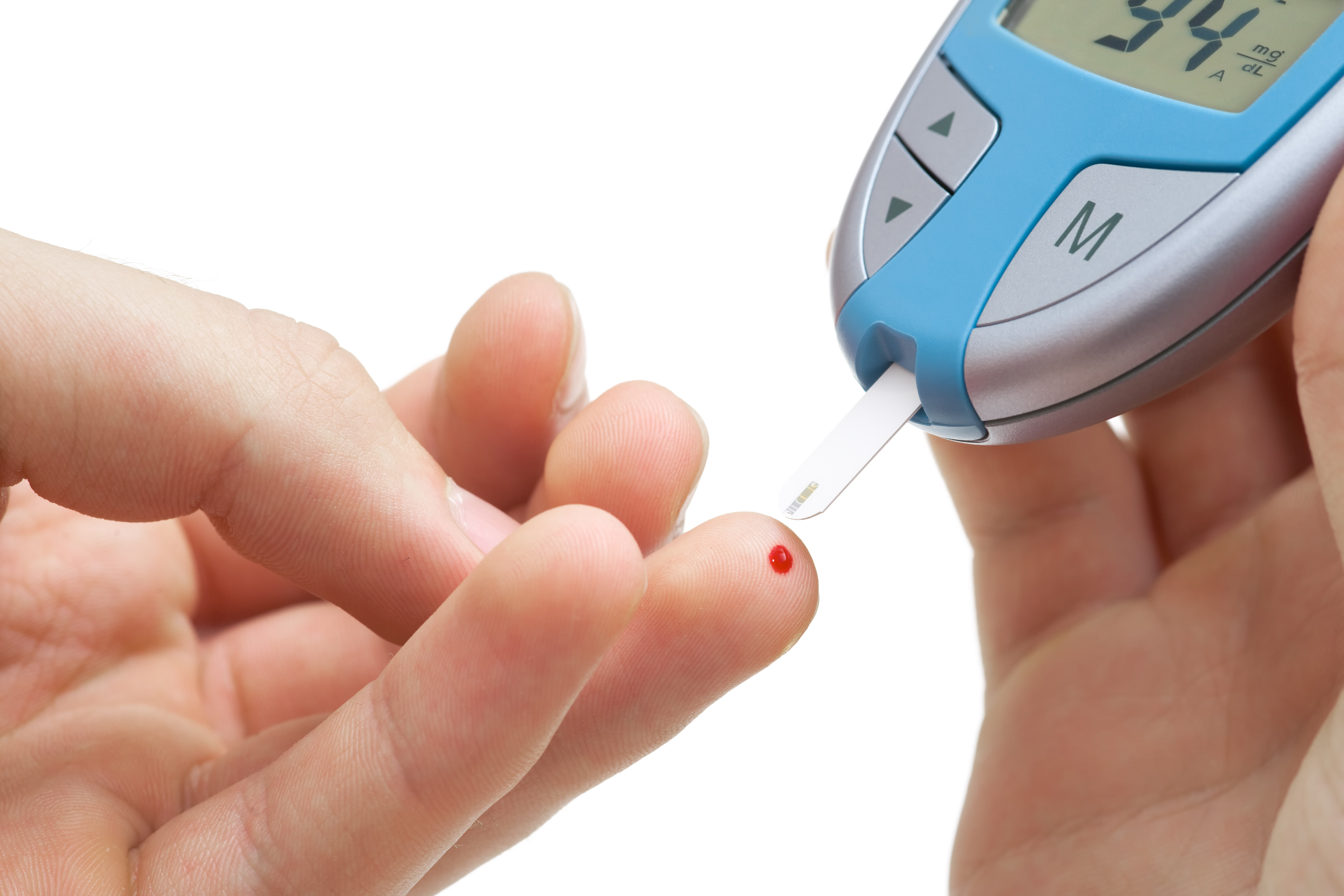
- Check blood sugar at the same times each day — before breakfast, two hours after meals, and before bed.
- Visualize your meals — make one meal per day mostly vegetables, and limit carbs to roughly the size of your palm.
- Build an exercise habit — aim for 30 minutes, 5 days a week. Even 5 minutes to start is progress.
- Track lifestyle patterns — note stress levels, sleep quality, and how they affect your readings.
- Schedule regular checkups — eye exams, kidney tests, and other screenings for complication prevention.
These habits integrate blood sugar management into your everyday life — naturally and sustainably.
Key Takeaways and Final Advice
- Diabetes isn’t the end — it’s manageable.
- Focus on blood sugar control, diet therapy, exercise, and preventing complications.
- Start with lifestyle improvements, then move to medication if needed.
- Small, consistent actions lead to lasting health results.
- Most importantly, listen to your body’s signals and respond with care — that’s the strongest form of treatment there is.
Managing diabetes is less about perfection and more about progress.
Each day you choose to take action — even a small one — you’re already changing your future for the better.
Disclaimer
This content is for educational purposes only and is not a substitute for professional medical advice.
Always consult your doctor for accurate diagnosis and personalized treatment recommendations.






최근댓글