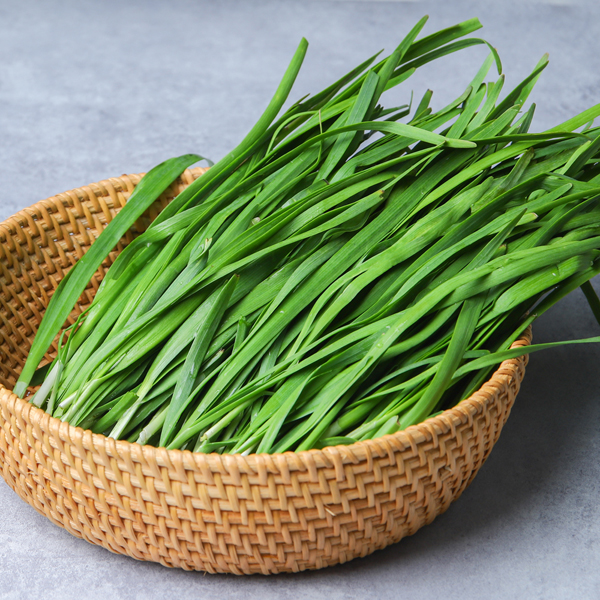
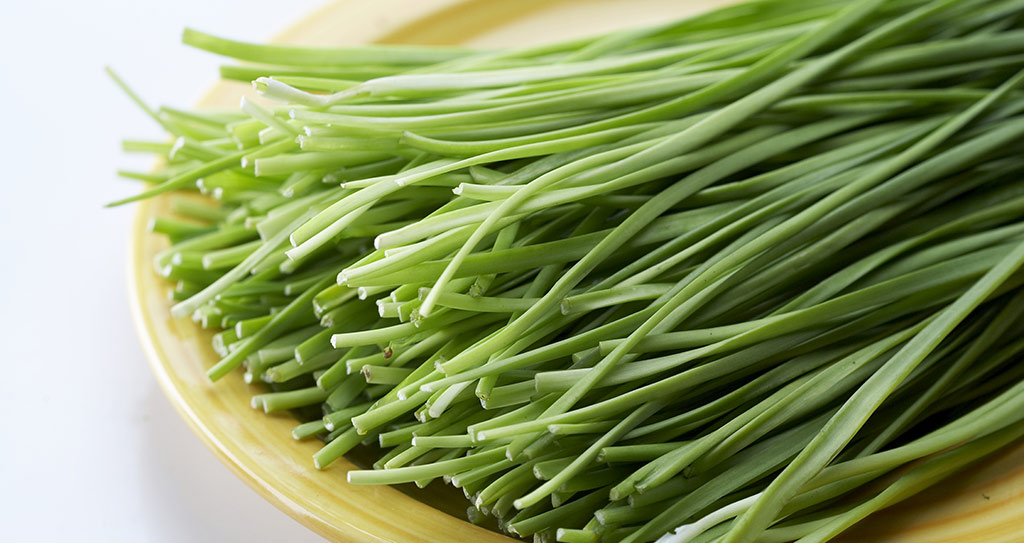
Feeling heavy and bloated from the moment you wake up? Adding a small handful of garlic chives to your plate can make a quiet difference. Garlic chives contain sulfur compounds and flavonoids that may support antioxidant and anti-inflammatory activity. In simple terms, they can help reduce oxidative stress and may ease the load on hard-working organs like your blood vessels and liver.
This post covers garlic chives benefits, how to eat them, and what side effects to watch for—all in one place.
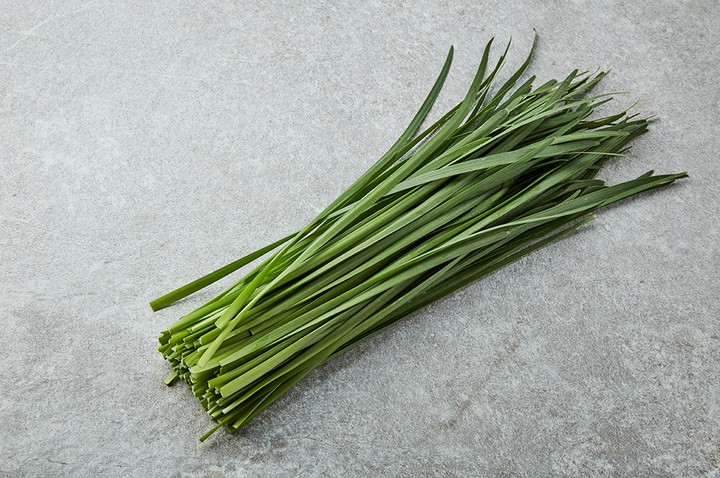
Section 1. Why Garlic Chives?
Garlic chives are rich in sulfur compounds and flavonoids (like quercetin and kaempferol). These plant nutrients can help dial down oxidative stress and modulate inflammatory responses. If your hands and feet often feel cold or your body feels stiff after long hours of sitting, garlic chives are a handy, budget-friendly side to improve overall diet quality. In the sections below, you’ll find practical guidance on benefits, how to eat, and side effects.
Section 2. Benefits You Can Feel Day to Day
2-1. Support for Blood Circulation
• What to know: Antioxidant and anti-inflammatory effects can support vascular health.
• When you’ll appreciate it: After long desk hours or when your legs feel heavy.
• Keyword tip: “garlic chives benefits for blood circulation” is a great search phrase because it matches what readers want to solve.
2-2. Gentle Liver Support
• What to know: Flavonoids and sulfur compounds may assist the liver’s antioxidant defenses (e.g., the glutathione pathway).
• When you’ll appreciate it: After rich meals or a night out, as part of an overall balanced diet.
2-3. Immune & Fatigue Care
• What to know: Phytochemicals that help modulate inflammatory signals can support everyday resilience.
• Routine idea: Add garlic chives 3–4 times a week—even small portions count.
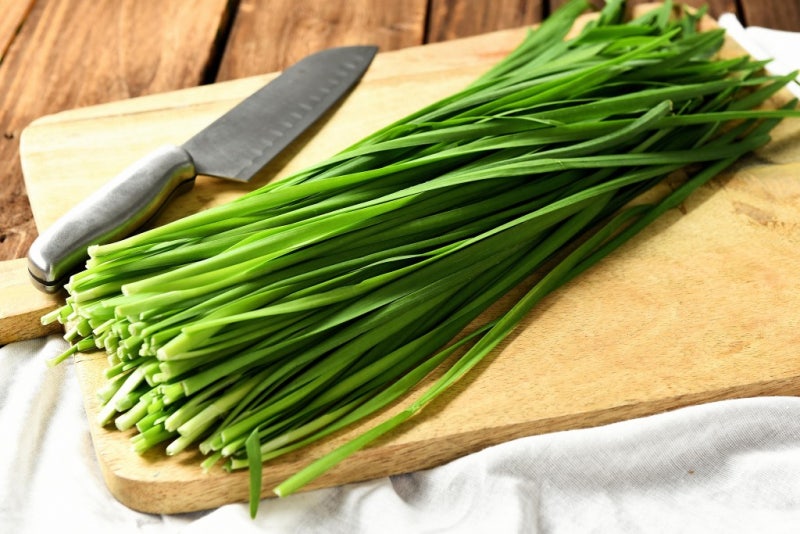
Section 3. How to Eat Garlic Chives: Taste · Absorption · Comfort
• Start small: Begin with 50–70 g per meal. Increase gradually if your stomach feels fine.
• Raw vs lightly cooked: Raw keeps the aroma and vitamin C; quick low-heat cooking makes them tender and gentler on the stomach.
• Add a bit of fat: A small amount of olive or perilla oil may help absorb flavonoids.
• Best pairings: Eggs, tofu, chicken breast, whole grains, and nuts.
How to Store Garlic Chives (Quick Tips)
- Rinse, then dry completely.
- Wrap with paper towels and place in a zip bag.
- Refrigerate and use within 3–5 days.
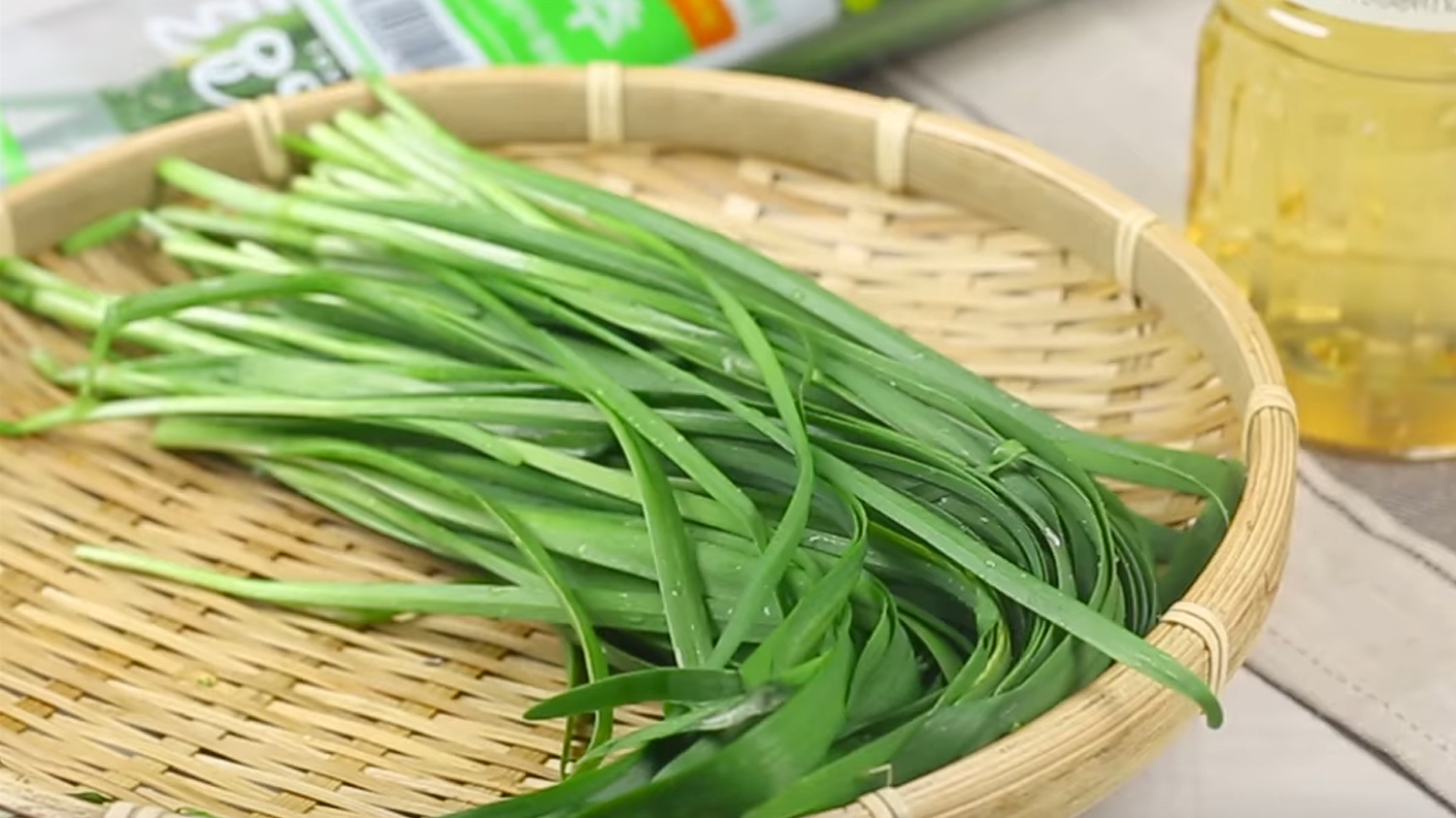
Section 4. Side Effects & Who Should Be Careful
• Sensitive stomach / IBS: You may experience bloating or belching. Start small and try them cooked.
• On anticoagulants: Garlic chives and chives contain vitamin K. Avoid sudden big changes in intake; keep amounts consistent.
• Allergies: Stop if you notice mouth tingling, itching, or stomach pain.
• Pregnancy / breastfeeding: Typical food amounts are generally considered fine; be cautious with concentrated extracts due to limited data.
Section 5. A 1-Week Routine & 3 Quick Recipes
5-1. One-Week Routine Example
• Mon & Thu breakfast: 30–40 g garlic chives + 2 eggs (scrambled with 1 tsp olive oil).
• Tue dinner: Garlic chives + tofu salad (soy sauce 1, vinegar 0.5, sesame oil 0.5, minced garlic).
• Sat lunch: Garlic chives salad with multigrain rice and grilled fish.
• The day after drinks: Clear soup with seaweed, radish, and garlic chives.
5-2. Three Quick Recipes
• Garlic-Chive Egg Roll: 50 g finely chopped garlic chives + 3 eggs + 1 tbsp milk; roll slowly over low heat.
• Chilled Garlic-Chive Tofu: 70 g blanched garlic chives + 1/2 block crumbled tofu; sauce = soy:vinegar:sesame oil = 1:0.5:0.5.
• Garlic-Chive Shrimp Stir-Fry: Sauté 1 clove garlic, add 120 g shrimp; finish with a handful (60 g) of garlic chives; season with salt and pepper.
Section 6. FAQ
Q1. How much should I eat a day?
A. Start with 50–70 g per meal. If your stomach feels comfortable, increase gradually.
Q2. Raw or cooked—what’s better?
A. Raw preserves aroma and vitamin C. Light cooking over low heat makes them tender and easier on the stomach. A little oil helps with absorption.
Q3. Do they really help with circulation?
A. The core of garlic chives benefits is antioxidant and anti-inflammatory support, which contributes to vascular health as part of an overall vegetable-rich diet.
Q4. I take medication. Is it okay?
A. If you’re on anticoagulants, avoid sudden changes in vitamin-K-rich foods. Keep your usual amount consistent and discuss your routine with your doctor if unsure.
Section 7. Key Takeaways & Final Tips
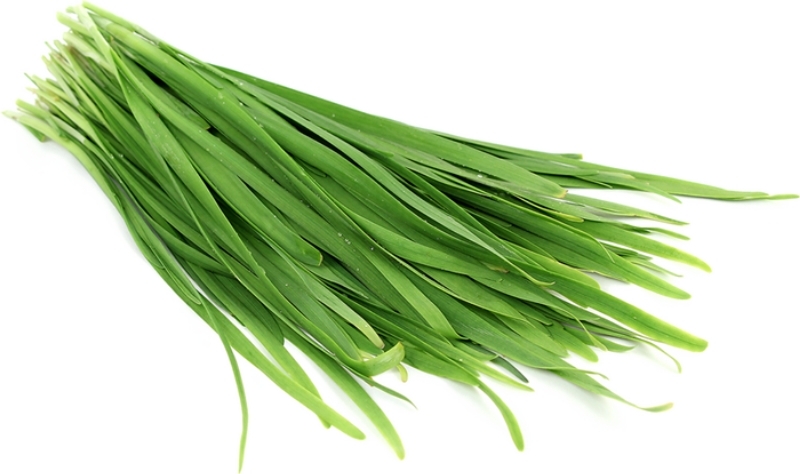
• Benefits: Support for blood flow and liver health via antioxidant/anti-inflammatory activity.
• How to eat: Start at 50–70 g; enjoy raw or lightly cooked with a bit of healthy oil.
• Side effects: Watch your intake if you have a sensitive stomach or take anticoagulants.
• Start today: Pair garlic chives with eggs or tofu to make easy, protein-balanced sides.
Legal Note
This article is for general information only. For diagnosis or treatment decisions, consult a qualified healthcare professional.






최근댓글