🧠 Who This Guide Is For
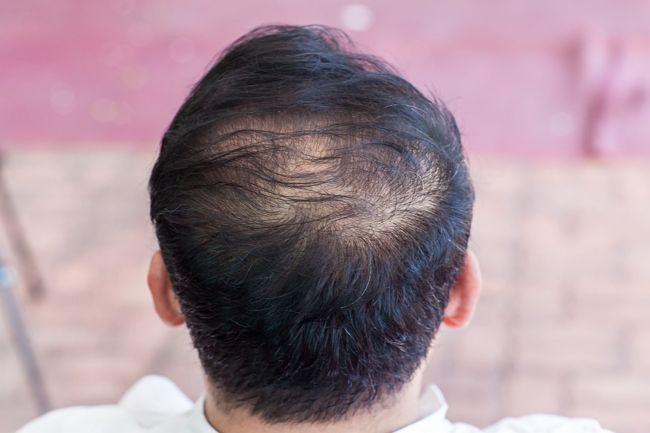
- You notice more hair in the shower drain or on your pillow every morning
- Your hairline is slowly receding or your crown looks thinner
- You’re curious about treatment but worried about side effects
- You want practical ways to manage hair loss at home
🔍 Core SEO Keywords
hair loss, hair thinning, causes of hair loss, hair loss symptoms, male pattern baldness, female hair loss, hair loss treatment, hair loss prevention, scalp care
1️⃣ Why Does Hair Loss Happen?
— Understanding the Root Causes
It’s normal to lose about 50–100 strands of hair a day.
But if you’re seeing noticeably thinning areas or finding clumps of hair, it’s time to take a closer look.
Here are the most common reasons for hair loss:
- Genetics & Hormones: The hormone DHT (dihydrotestosterone) weakens hair roots, making strands thinner and causing male or female pattern baldness.
- Stress: Emotional or physical stress reduces blood circulation to the scalp, limiting nutrient delivery.
- Nutrient Deficiency: Lack of protein, vitamin D, or zinc affects hair growth and quality.
- Lack of Sleep & Fatigue: Poor sleep disrupts your body’s repair cycle, leading to weaker hair follicles.
💡 Tip: A balanced diet, restful sleep, and stress management form the foundation of healthy hair growth.
2️⃣ How to Check If You’re Losing Hair
You don’t need medical equipment to spot early signs of hair loss. Try these simple checks:
- More hair than usual on your pillow or shower drain
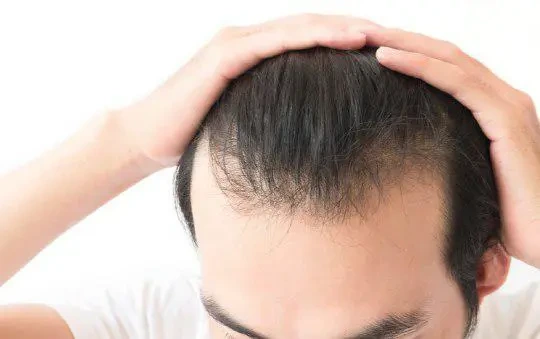
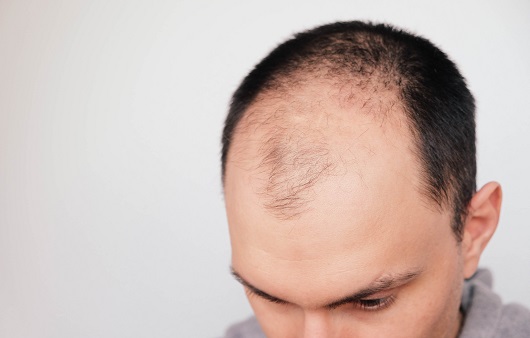
- A receding M-shaped hairline or thinning crown area when viewed under bright light
- The pull test: Gently tug on 50 strands—if more than 5 or 6 come out, active hair shedding may be underway
3️⃣ Where to Begin with Hair Loss Treatment
Hair loss treatments vary depending on the cause—but timing matters most.
The earlier you start, the better your chances of preserving existing hair.
💊 Medication
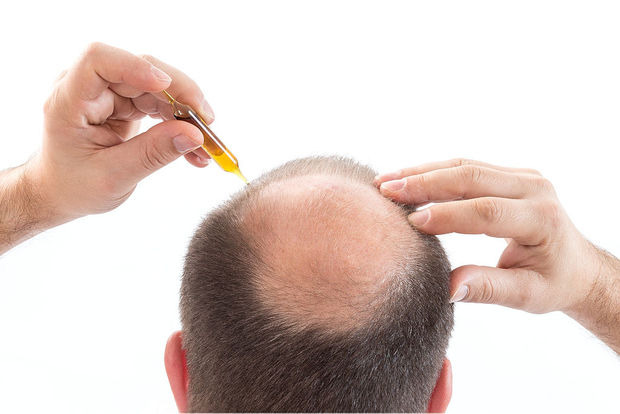
- Minoxidil: A topical solution suitable for both men and women. It boosts blood flow to the scalp and stimulates dormant follicles.
- Finasteride / Dutasteride: Oral medications for men that reduce DHT levels. They can slow or even reverse hair loss when taken consistently.
- ⚠️ The European Medicines Agency (EMA) recently issued a warning about possible mood-related side effects (depression, anxiety) with finasteride use.
💡 Device-Based Therapies
- Low-Level Laser Therapy (LLLT): Uses light energy to activate hair follicles. Home-use laser caps or combs are popular.
- PRP (Platelet-Rich Plasma): Uses your own blood to extract growth factors and injects them into the scalp to promote regrowth.
- Microneedling: Creates tiny punctures in the scalp to stimulate new hair growth and improve product absorption.
4️⃣ Hair Care by Type: Men vs. Women
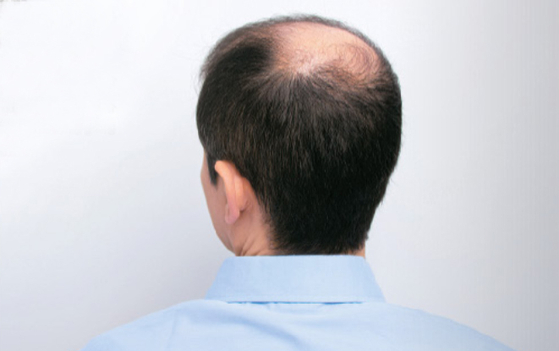
👨 Male Pattern Baldness (M-Shape / Crown)
- Early Stage: Topical minoxidil once or twice daily
- Progressive Stage: Combine minoxidil + finasteride for better results
- Severe Cases: Consider adding laser therapy or PRP sessions
👩 Female Hair Thinning (Diffuse Hair Loss)
- Hair becomes thinner along the crown or part line widens
- Use 2–5% minoxidil regularly
- Check for iron, vitamin D, or thyroid imbalances through a blood test
5️⃣ Everyday Habits That Protect Your Hair
- Keep Your Scalp Clean:
Wash daily with a mild shampoo; avoid very hot water. - Eat a Hair-Healthy Diet:
Include protein (eggs, tofu, lean meat), zinc (oysters, nuts), and vitamin D (salmon, sunlight). - Sleep 7+ Hours a Night:
The hormone melatonin helps regulate hair growth cycles. - Avoid Physical Damage:
Limit heat styling, tight ponytails, frequent dyeing, or perms. - Manage Stress:
Try meditation, walking, or yoga — stress hormones are a key trigger for hair loss.
6️⃣ Common Questions About Hair Loss
Q. Can hair-loss shampoo solve the problem?
→ Shampoos keep your scalp clean but have limited treatment effects. Think of them as support, not a cure.
Q. How long do I need to use treatment products?
→ Hair growth is slow. Expect visible changes after 3–6 months, and long-term consistency is key.
Q. Can hair loss be completely cured?
→ Genetic (androgenetic) hair loss can be controlled, not fully cured. But with proper care, you can preserve and even thicken existing hair for years.
7️⃣ Practical Tips to Start Today
- The earlier you act, the more hair you save.
- Ignoring the signs only makes treatment harder later.
- Combine medication + healthy habits + scalp care for best results.
- Take monthly photos to track changes — visible progress keeps you motivated.
✏️ Quick Summary
✅ Hair loss control starts with early intervention
✅ Combine medications (minoxidil, finasteride) with devices (LLLT, PRP) for best outcomes
✅ For women, address hormones, nutrition, and stress factors
✅ Healthy lifestyle habits are as crucial as medication
✅ Consistency is the most powerful treatment of all
⚖️ Disclaimer
This article is for informational purposes only and is not a substitute for professional medical advice.
If you experience sudden or severe hair loss, consult a dermatologist for a proper diagnosis and treatment plan.






최근댓글