Why It’s Time to Talk Honestly About Sexually Transmitted Infections (STIs)
A Healthy Relationship Starts with Awareness
“Young people today enjoy more freedom—but with that comes greater responsibility.”
While modern dating culture has become more open and accepting, discussions about sexually transmitted infections (STIs) still feel awkward or even taboo for many.
However, recent data show that STIs are on the rise among people in their 20s and 30s, and the hidden threat lies in asymptomatic infections—cases with no visible symptoms that continue spreading silently.
According to the Korea Disease Control and Prevention Agency (KDCA, 2023), infections like chlamydia and gonorrhea accounted for over 65% of total STI cases among people aged 20–34.
This means it’s no longer “someone else’s problem”—it’s a real health issue that can affect anyone.
This article will break down the facts about STIs—what they are, common symptoms, testing options, and effective prevention strategies—based on reliable medical research. Let’s make the topic approachable, factual, and stigma-free.
1. What Are Sexually Transmitted Infections (STIs)?
STIs (Sexually Transmitted Infections) are diseases spread through sexual contact. Common examples include chlamydia, gonorrhea, syphilis, human papillomavirus (HPV), herpes, and HIV.
Today, the term “STI” is preferred over “venereal disease” because many infections show no obvious symptoms and may not feel like an illness at all.
For instance, around 70% of people with chlamydia experience no symptoms, meaning they can unknowingly pass it on to others.
That’s why regular screening—every 6 to 12 months—is crucial for sexually active individuals.
2. Why STIs Are Rising Among Young Adults
Over the past five years (2019–2024), STI rates have steadily increased among young people.
Recent KDCA statistics show:
- Chlamydia infections among women in their 20s have nearly doubled in five years.
- Gonorrhea cases are rising fastest among men in their early 30s.
Key contributing factors include:
- Low awareness of asymptomatic infections
- Decreased condom use and impulsive behavior influenced by alcohol
- Avoidance of regular check-ups
- The rise of dating apps and casual connections
In other words, while sexual freedom has grown, so has the risk of infection.
Early symptoms can be as mild as slight discomfort or discharge—easy to overlook until the infection worsens.
3. Common STIs: Symptoms and Testing
🔹 Chlamydia
One of the most common STIs.
- Women: Vaginal discharge, pelvic pain
- Men: Painful urination, penile discharge
Because symptoms are often mild or absent, routine screening is essential.
🔹 Gonorrhea
Known for its painful urination—often described as “burning fire.”
- Men: Usually show symptoms
- Women: Over 50% are asymptomatic
It’s treatable with antibiotics, but antibiotic-resistant strains are an emerging global concern.
🔹 Syphilis
Starts as a painless sore, then can progress to damage the nervous and cardiovascular systems if untreated.
Recently, there’s been a re-emergence of syphilis cases worldwide.
🔹 Human Papillomavirus (HPV)
The primary cause of cervical cancer and genital warts.
Prevention through HPV vaccination is highly recommended for all sexually active individuals.
4. How to Prevent STIs: Simple, Real-Life Habits
Prevention doesn’t require perfection—just consistency.
✅ Use condoms every time
Still the most effective barrier against infection.
✅ Get tested regularly
Especially when you have a new partner or notice symptoms.
✅ Limit alcohol intake
Alcohol reduces judgment and increases impulsivity.
✅ Get vaccinated (HPV, Hepatitis B)
Vaccines dramatically reduce infection risks.
✅ Talk openly with your partner
Sexual health is a shared responsibility, not a solo effort.
5. When and How to Get Tested
Get tested if:
- You’ve started a new sexual relationship
- You notice unusual discharge, pain, or sores
- You’ve had unprotected sex
Testing methods:
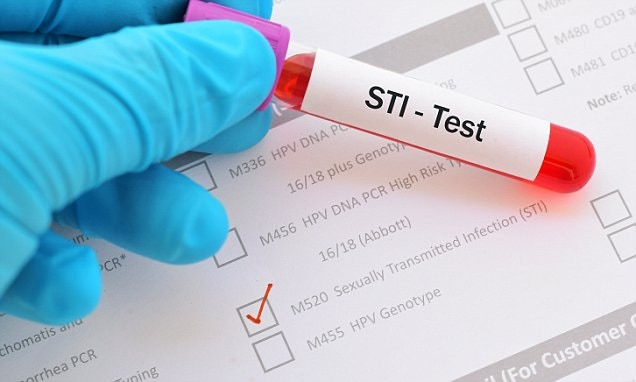
Urine, swab, or blood samples — often completed in under 10 minutes.
While home test kits are available, professional medical testing is far more reliable.
Cost: Usually around $10–$40, with free options available at public health centers.
If results are positive, follow your doctor’s prescribed antibiotic or antiviral treatment and return for a follow-up test within a month.

6. Complications and Reinfection Prevention
Untreated STIs can lead to infertility, miscarriage, pelvic inflammatory disease (PID), cervical cancer, and even systemic infections.
Among women, PID is a leading cause of infertility.
To prevent reinfection:
- Ensure both partners receive treatment
- Avoid sexual contact for two weeks after treatment
- Retest regularly (every 6–12 months)
Remember: STIs aren’t a sign of irresponsibility—they’re a common, manageable health issue.
Testing and prevention are acts of self-respect and wisdom, not shame.
🌱 3 Steps for a Healthier Love Life
- Get tested every 6 months (local clinic or health center)
- Communicate openly about sexual health with your partner
- Prioritize protection and vaccination in every relationship
Key Takeaways
- STIs are rapidly increasing among people in their 20s and 30s.
- Asymptomatic infections make regular testing essential.
- Condoms, vaccines, and check-ups are your best defense.
- If you suspect an infection, visit a healthcare provider immediately—don’t wait.
Legal Disclaimer
This content is for educational purposes only and not a substitute for professional medical advice.
For an accurate diagnosis and personalized treatment, consult a qualified healthcare provider.






최근댓글