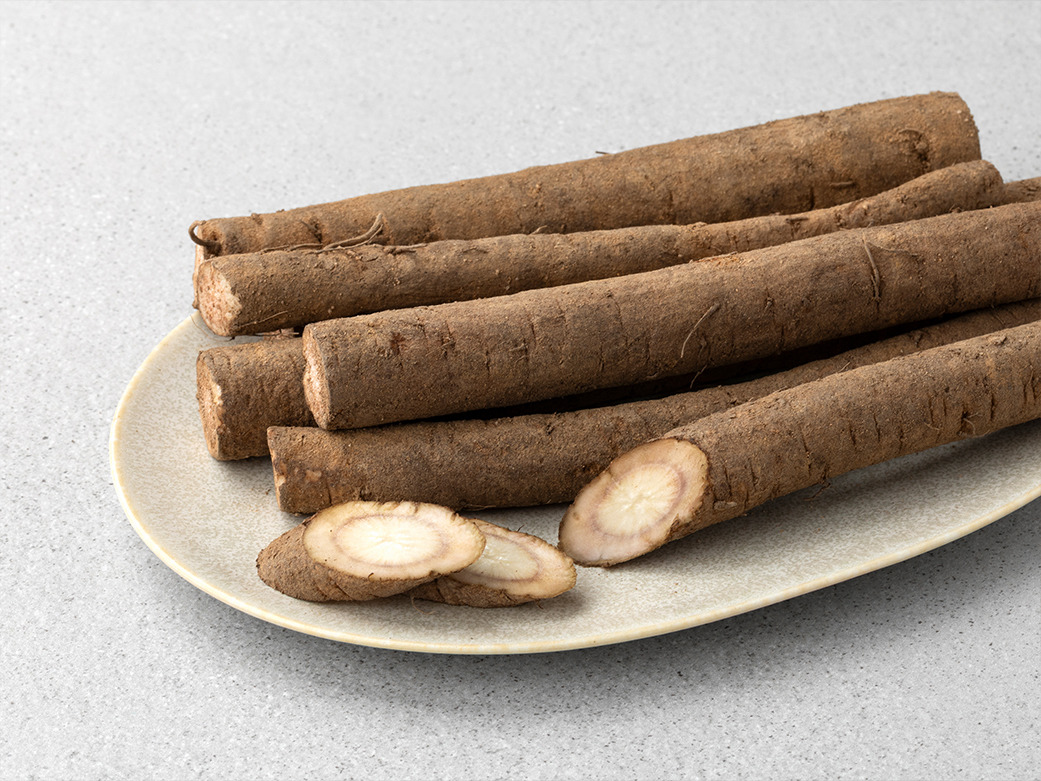
Feeling puffy in the morning? Looking for a gentler way to support weight goals?
If bloating, sluggish digestion, or snack cravings are part of your day, burdock root deserves a spot on your radar. Traditionally used for circulation, detox support, and water retention, burdock root now has growing scientific interest thanks to two key players: inulin (a prebiotic fiber) and polyphenols (antioxidants).
Below is a simple, evidence-informed guide to burdock root—benefits, how to take it, safety tips, and easy habits you can put into practice today.
1) Why Burdock Root Is Good for You
The star compound in burdock root is inulin, a prebiotic fiber. It feeds beneficial gut bacteria, helping to improve stool regularity and ease constipation.
Burdock root also contains polyphenols and saponins, which support antioxidant defenses and healthy circulation. Recent research suggests inulin-rich foods can help steady post-meal blood sugar and may support cholesterol management, adding another reason this humble root fits a modern wellness routine.
2) Burdock Root Benefits at a Glance
- Regularity & less bloat: Inulin supports a healthier gut environment and smoother bowel movements.
- Water balance & puffiness: Mild diuretic properties can help reduce fluid retention.
- Blood sugar support: Fiber slows carbohydrate absorption, helping curb quick spikes.
- Weight-management ally: Extra fiber promotes fullness, which may reduce overeating.
- Antioxidant & immune support: Polyphenols help protect cells from oxidative stress.
Bottom line: Burdock root isn’t just another root vegetable—it’s a natural helper for gut, circulation, and metabolic wellness when used consistently with a balanced lifestyle.
3) How to Take Burdock Root (+ Daily Amounts)
Most people find burdock easier to enjoy cooked or as tea, rather than raw.
A) Burdock Root Tea
- Ingredients: 10 g dried burdock + 600 mL water
- How to brew: Simmer or steep in hot water (about 195–203°F / 90–95°C) for 8–10 minutes.
- How much: 1–2 cups per day. Naturally caffeine-free, so it’s evening-friendly.
B) Cook It
- Rinse, julienne, and briefly soak in diluted vinegar water to prevent browning.
- Stir-fry, braise, or toss into salads.
- Portion: 50–100 g per serving, 3–4 times per week works well for most.
C) Powder It
- Stir 2–3 g burdock powder into yogurt or a smoothie for an easy fiber boost.
Pro tip: Drink enough water when increasing fiber, and pair burdock with protein and healthy fats to feel full longer.

4) Side Effects & Safety Notes (Read Before You Start)
- Asteraceae allergy: If you react to ragweed, chrysanthemum, or related plants, use caution—burdock is in the same family.
- Blood sugar meds: Added fiber can influence glucose control. If you take diabetes medication, monitor closely and ask your clinician about adjustments.
- Pregnancy & high doses: Food-level intake is generally considered acceptable; avoid high-dose supplements unless your provider approves.
- Skip wild foraging: Burdock can be confused with toxic plants like belladonna. Buy from trusted sources only.
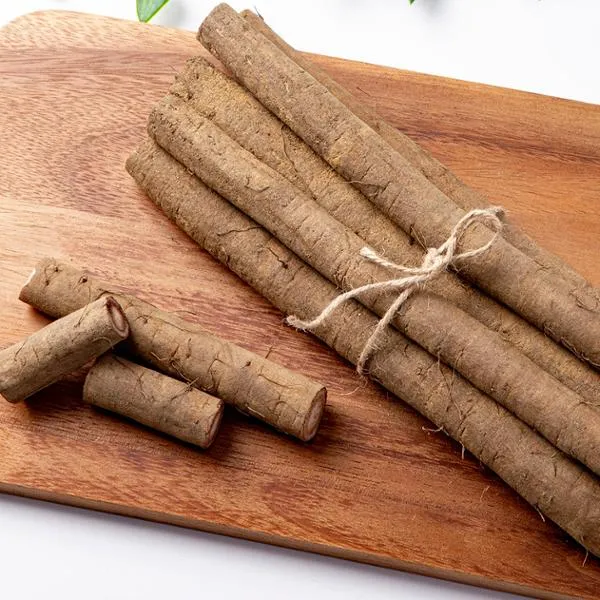
5) Easy Habits You Can Start This Week
- Morning de-bloat ritual: One warm cup of burdock tea to gently wake up digestion.
- Salad upgrade: Add 50 g julienned burdock to your lunch bowl for extra fiber.
- Smart snack swap: Bake burdock chips with a light brush of olive oil.
- Workout pairing: Mix 2 g burdock powder into plain yogurt for a gut-friendly, protein-balanced snack.
- Weekend batch brew: Brew 2–3 days’ worth of tea on Sunday and refrigerate.
6) Research Snapshot (Plain-English Summary)
- Inulin evidence (2024): Reviews link inulin to improvements in blood sugar, weight markers, and inflammation when used consistently.
- Small human trial (2019): Daily burdock tea was associated with better cholesterol and blood pressure in participants.
- Preclinical (2023): Burdock polysaccharides supported gut-barrier and inflammatory signaling in animal models.
Takeaway: The science is promising—especially for gut health and metabolic support—but large, long-term human trials are still limited. Use burdock as a supportive habit, not a cure-all.
Quick Takeaways
- Start with 1–2 cups of burdock tea daily, or 50–100 g cooked several times a week.
- Expect benefits mainly in regularity, puffiness, post-meal steadiness, and fullness.
- If you have Asteraceae allergies or take blood sugar/diuretic meds, proceed with guidance.
- Buy food-grade products—no foraging.
Friendly Reminder
This article is for educational purposes and does not replace personalized medical guidance. If you have ongoing symptoms or take prescription medications, consult your healthcare professional for tailored advice.






최근댓글